
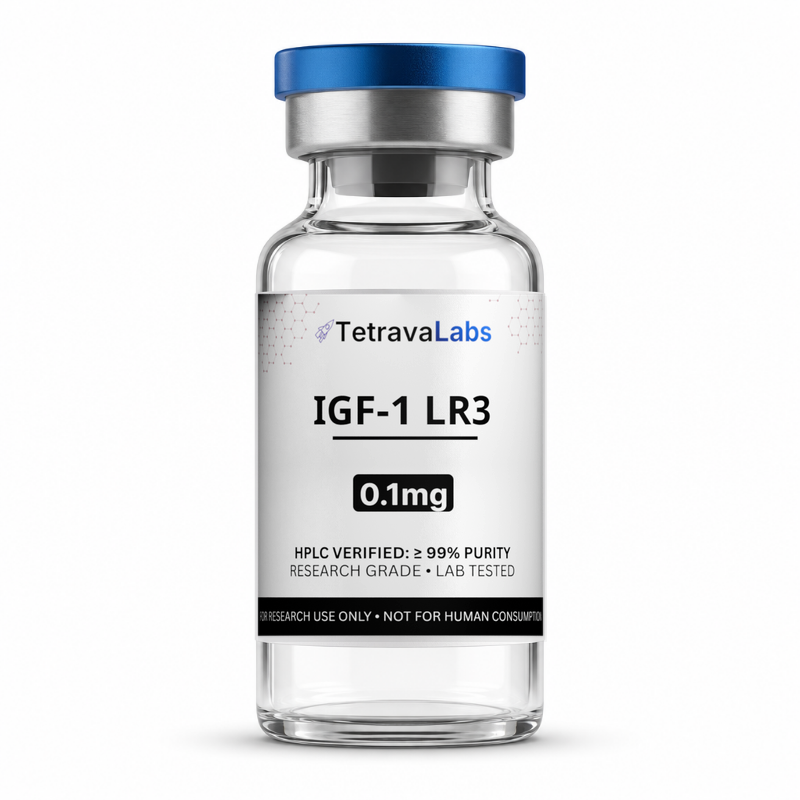
IGF-1 LR3 (0.1mg)
For Research Use Only. Not for human consumption.
99%+ purity
$29.00 – $190.00
Buy IGF-1 LR3 online from Tetrava Labs. IGF-1 LR3 (1mg) provides a higher research quantity of the extended half-life IGF-1 analogue for denser growth-factor assays.
- FREE express shipping over $180
- Guaranteed delivery worldwide
- Secure payment via credit card or crypto
- Save up to 20% on bulk orders
24-hour customer support via email & Telegram
Select strength
1 / 5 / 10 vials
$19.00 – $29.00/vial
$29.00/vial
$29.00 pack total · 1 vial
What is IGF-1 LR3?
Buy IGF-1 LR3 online from Tetrava Labs. IGF-1 LR3 (1mg) provides a higher research quantity of the extended half-life IGF-1 analogue for denser growth-factor assays.
Specifications
IGF-1 LR3 Peptide Research
Labs use it in muscle cell, metabolic, and IGF-1 receptor signaling models where LR3’s reduced IGFBP binding is experimentally useful.
IGF-1 LR3 is positioned for teams that need a documented research reagent rather than an unverified bulk chemical. When protocols span multiple lots or operators, keep reconstitution parameters, diluent choice, and storage temperature identical across arms so analytical noise is not mistaken for biology. Procurement notes, packing-list reconciliation, and COA filing should happen before the first reconstitution so the chain of custody is intact from receipt to assay. If purchasing is split across weeks, still treat each lot as a separate experimental factor unless a bridging panel demonstrates otherwise.
Mechanism framing for IGF-1 LR3 should stay tied to peer-reviewed pathway language and your laboratory’s validated endpoints. Treat marketing synonyms and informal nicknames as labels only — protocol text should use the catalog identity, category (Growth Hormone Axis), and the analytical fields you verified on receipt. When literature reports conflicting potency across analogues, design a head-to-head panel instead of assuming class-wide interchangeability.
GH-axis laboratories use Growth Hormone Axis reagents in receptor pharmacology, secretory-pathway, and comparative analogue studies. Keeping lot identity linked to each plate or ELN entry is essential when stacking multi-peptide protocols or bridging GHRH and GHRP arms.
Comparative and bridging studies benefit from writing the material identity into the protocol itself: catalog handle, nominal strength, intended working concentration, and acceptable purity threshold. If a method is transferred between sites, include a small bridging panel on the same lot so site-to-site bias can be quantified separately from compound effects. Blind plate maps where feasible, and reserve enough retention material to repeat a failed run without opening a second anonymous vial. Archive raw plate exports with the same material ID used in the ELN.
Typical laboratory workflows start with verifying the sealed vial against the packing list, filing the COA, and assigning an internal material ID. From there, analysts prepare working solutions at concentrations dictated by the assay plate map, reserve a retention aliquot when policy requires it, and dispose of unused reconstituted material according to institutional chemical-waste rules. Electronic lab notebooks should capture operator, timestamp, diluent lot, and any deviations so later audits can reconstruct preparation conditions. A short pre-assay checklist — label match, COA on file, diluent lot recorded — prevents the most common documentation gaps.
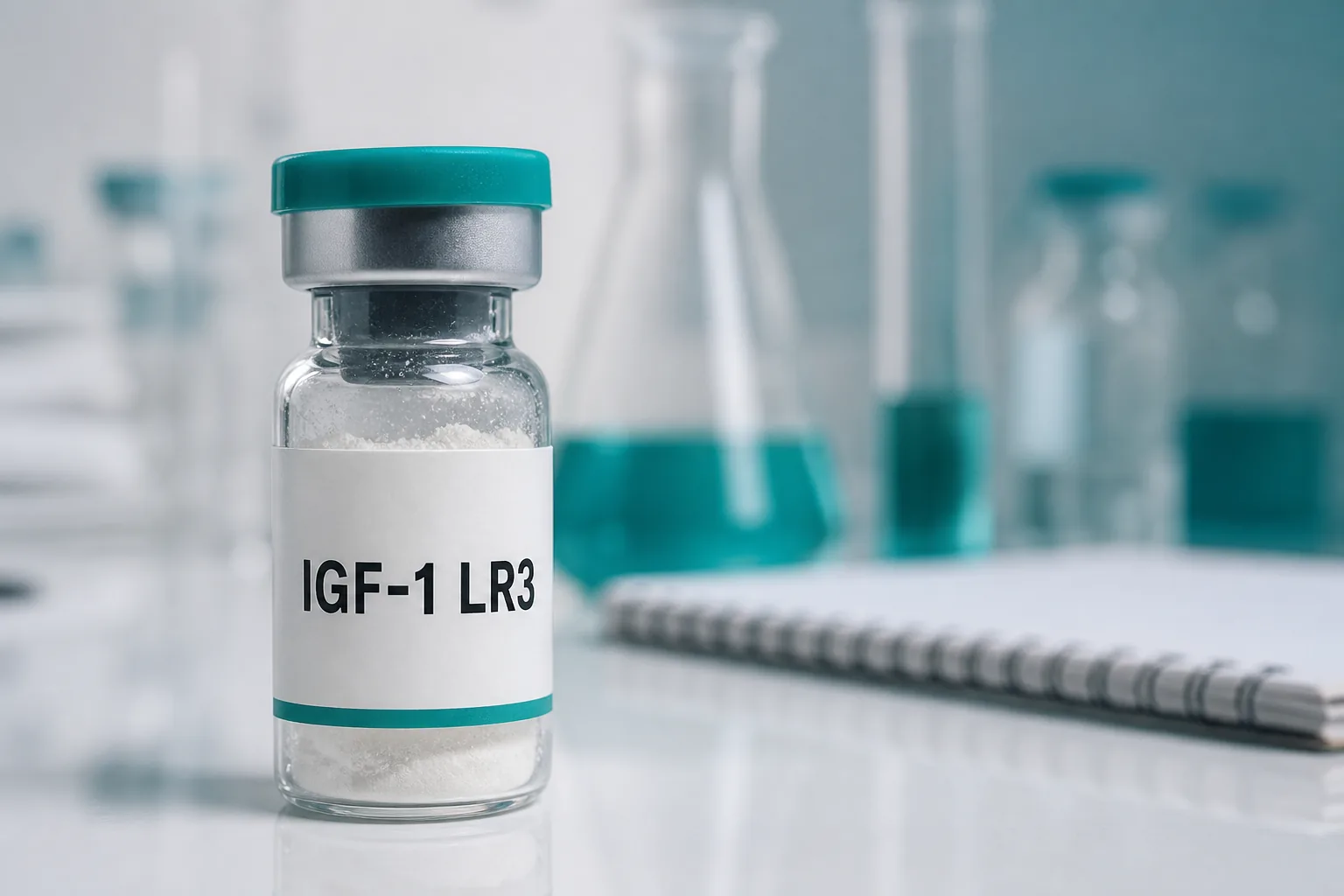
IGF-1 LR3 is supplied as lyophilized powder for stability during storage and transport. Reconstitute under sterile technique with a protocol-appropriate diluent, avoid vigorous foaming, allow full dissolution before adjusting concentration, and aliquot promptly if your study design requires multiple sessions from one vial.
Most lyophilized peptide workflows also budget bacteriostatic or sterile diluent, alcohol wipes, sterile vials or tubes for aliquots, and cold-chain capacity consistent with the labeled storage temperature. Align diluent choice with the study design — preserved versus preservative-free — and record the diluent lot beside the peptide lot in every preparation entry.
Stability practice matters as much as nominal potency. Minimize freeze–thaw cycles for reconstituted stocks, protect light-sensitive solutions when the COA or literature flags photolability, and segregate opened vials from unopened inventory. If a study pauses for more than a few days, prefer fresh reconstitution from lyophilized material over aging working solutions unless your validated method says otherwise. Temperature excursions during shipping or bench work should be logged even when the material remains visually unchanged. When in doubt, quarantine the vial and consult the lot COA plus your QMS before continuing.
Published identity markers for this catalog family include CAS 946870-92-4; molecular formula C473H711N131O101S10; approximate molecular weight 9111.0. Sequence / composition note: Long Arg3 IGF-1 (83 aa analogue of IGF-1). Always cross-check the lot COA against these fields before initiating comparative work, and flag mismatches as deviations rather than informal “close enough” substitutions.
Tetrava Labs emphasizes lot-linked documentation: when a Certificate of Analysis is published for a batch, treat it as part of the experimental record alongside HPLC or MS summaries referenced on the COA. Third-party analytical testing is used to support identity and purity claims for research procurement — not as a substitute for your own method qualification. If impurity profiles or residual solvents are critical to your endpoint, review the lot documentation before locking the experimental design. Publish or file any in-house confirmatory assays next to the vendor COA so reviewers see both sources.
Buy IGF-1 LR3 online when you need research-grade supply with transparent catalog identity and cold-chain aware fulfillment for qualified laboratories. Pack options and strength selections on the product page are designed for lab inventory planning; choose the configuration that matches your assay cadence and retention policy rather than ad-hoc vial counts mid-study. Centralize reorders against the same catalog handle so historical lots remain comparable in your purchasing and ELN systems. Keep packing slips with the batch record for at least as long as your raw data retention policy.
Institutional review, biosafety committee rules, and local chemical-hygiene plans take precedence over any general catalog description. Train operators on spill response and sharps handling before first use, and store access credentials or purchasing rights to staff who understand the research-only restriction. Misuse outside a controlled laboratory setting voids the intended purpose of this SKU. Display research-only labeling on secondary containers whenever material leaves the original vial.
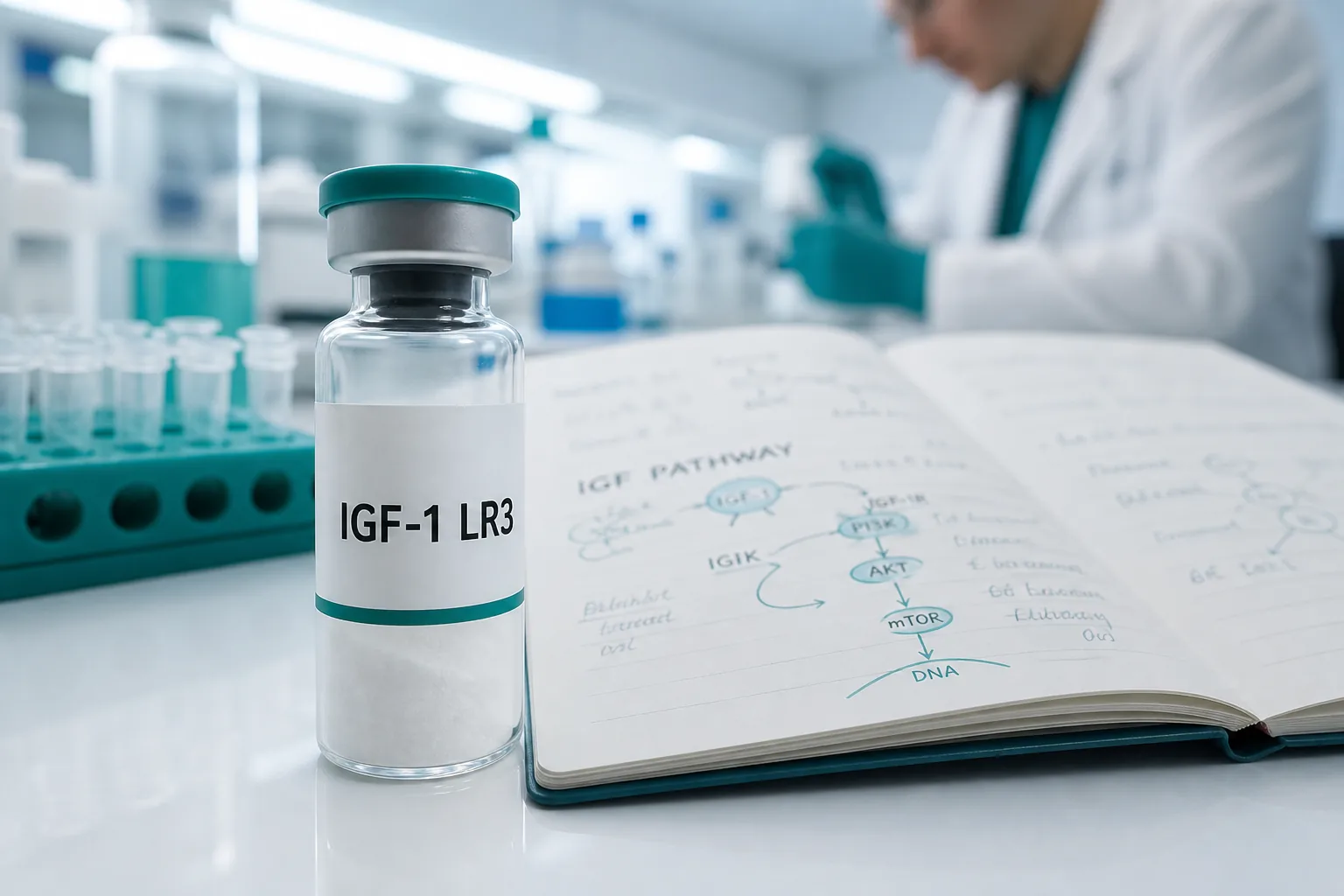
Supplied as lyophilized powder. For research use only — not for human or veterinary consumption.
Author Profile

Tetrava Labs Editorial Team
Editorial Team, Tetrava Labs
Content published by Tetrava Labs is authored and reviewed by an interdisciplinary panel of biochemists, analytical chemists, and lab technicians. Our team synthesizes peer-reviewed findings from PubMed, ScienceDirect, and international peptide research journals to ensure technical accuracy and rigorous quality control standards across all product documentation and testing reports.
Frequently Asked Questions
Research Use Only Disclaimer
All products are intended for laboratory research purposes only. Not approved for human consumption, diagnostic use, or therapeutic applications. By purchasing, you confirm you are a qualified research professional.