
Research Hub
The Research Hub collects protocols, analytical methods, and compliance guidance for qualified research buyers.

Retatrutide Benefits Beyond Weight Loss: What the 2026 Trial Data Actually Show
Retatrutide's liver, knee, kidney, and lipid results — fact-checked against primary trial sources and sorted by evidence tier, from published data to still-preclinical claims.

BPC-157 vs TB-500: The Hidden Truth About What's in the Vial
Comparing BPC-157 vs. TB-500? Uncover the clinical evidence—and the hidden chemical truth behind TB-500's borrowed research.
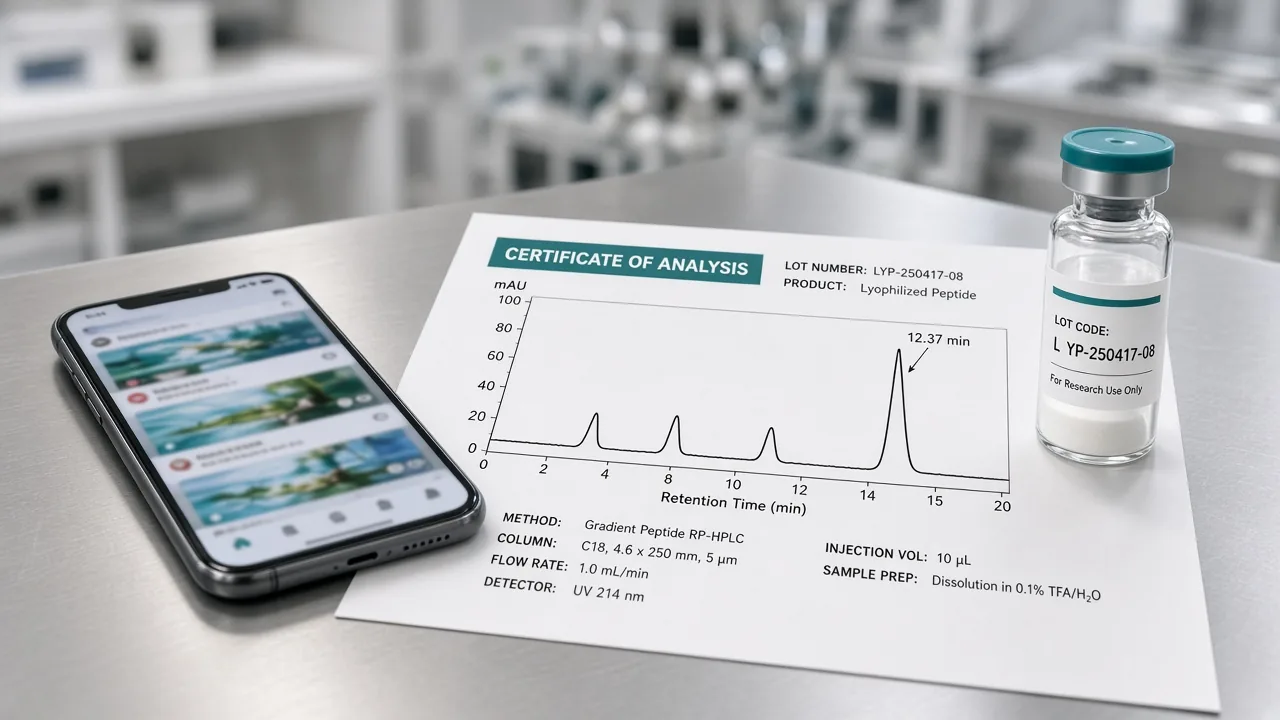
Peptides on social media are not one product class
Peptides on social media mix four product classes in one hashtag. A TGA-tested vial labelled retatrutide held undeclared high-dose semaglutide. Identity testing is the missing layer.
Selank Research Peptide: Sequence, Mechanisms, and Evidence
A source-led review of Selank's TKPRPGP sequence, tuftsin lineage, GABA and BDNF findings, evidence limits, assay design, and COA requirements.
TUDCA Research Compound: Chemistry, ER Stress, and the Chemical Chaperone Question
TUDCA is a taurine-conjugated bile acid, not a peptide. This research review separates UPR marker changes from direct protein-folding evidence and examines a 2025 challenge to the chemical chaperone label.
Why Manufacturing Source and Verification Matter in Research Peptide Quality
A research peptide COA is useful only when it connects a named test, a specific lot, and reviewable analytical evidence. This guide explains manufacturing risk and gives readers a reproducible 12-point COA audit.
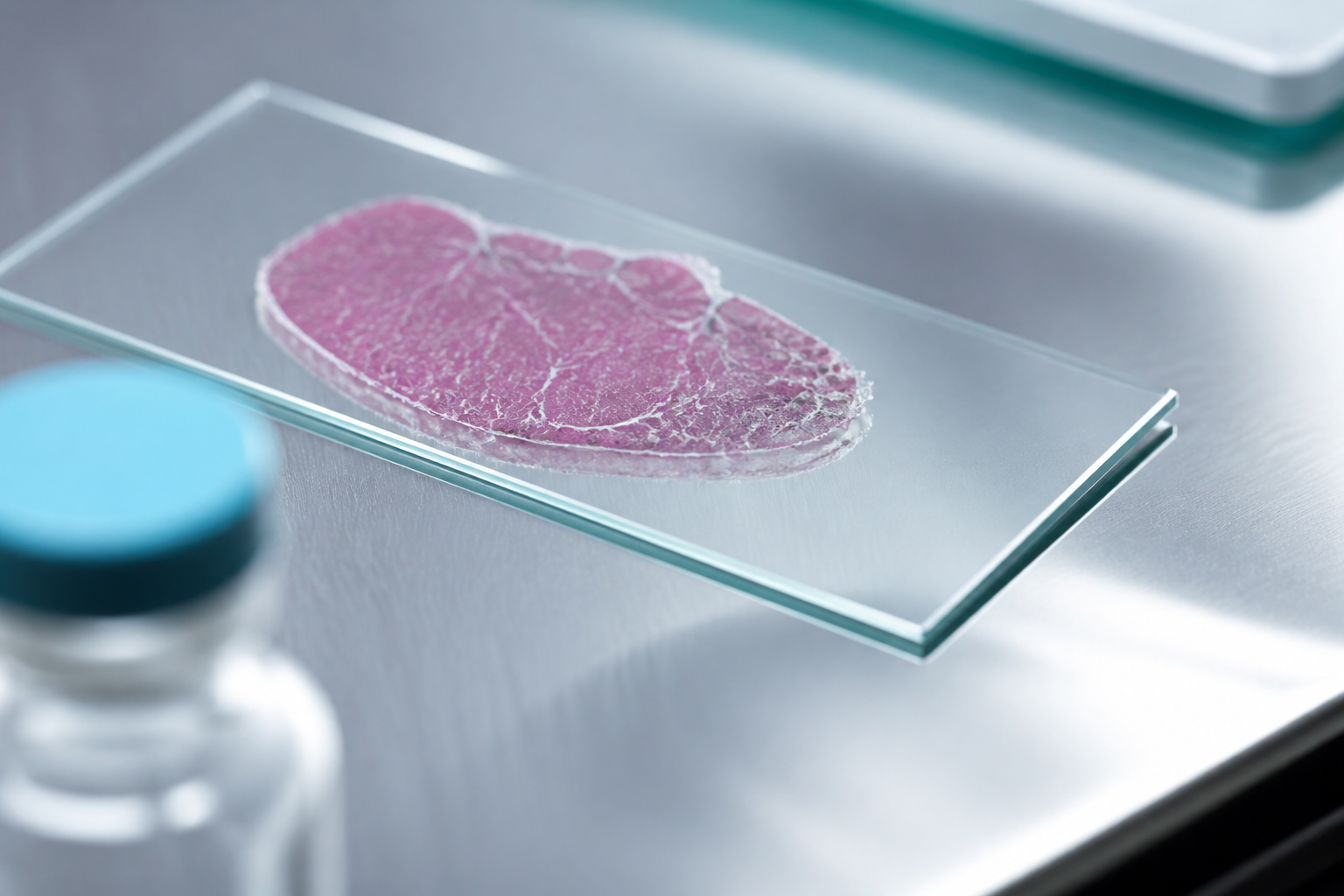
Follistatin 315 Research Peptide: Protein Identity, Isoforms, and COA Verification
Follistatin 315 is a 315-amino-acid secreted glycoprotein, not an undefined short peptide fragment. Learn how FST315 differs from FST288 and FST344, how follistatin sequesters activin and myostatin, and what analytical evidence a defensible COA must provide.
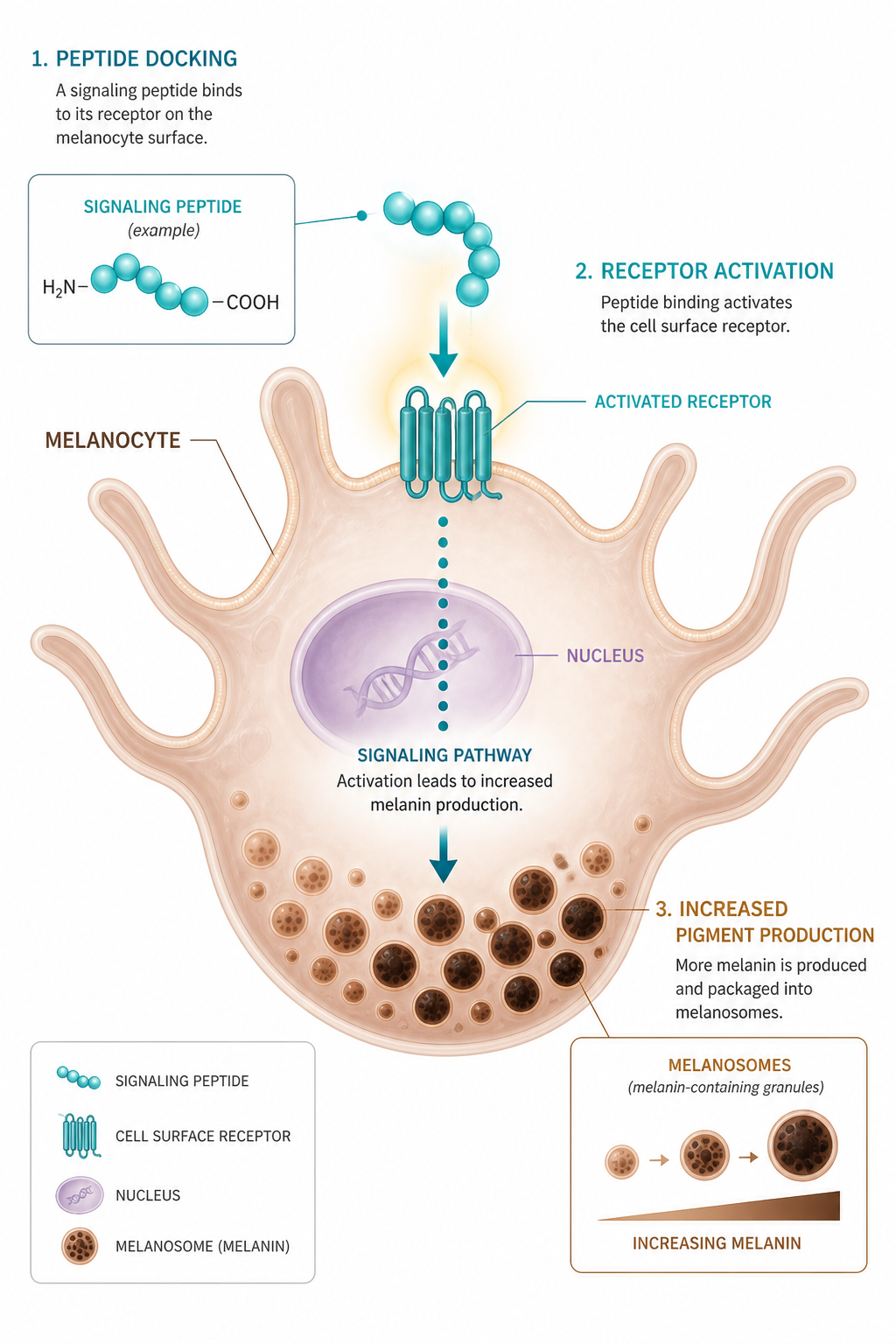
Where to Buy Melanotan 2 in 2026: A Guide to Safe Sourcing and Verifying MT2 Purity
Melanotan 2 carries one of the more specific, peer-reviewed adverse-event records in the research-peptide category, plus a decade of MHRA warnings. Here's what the documented risk actually says before any sourcing decision.
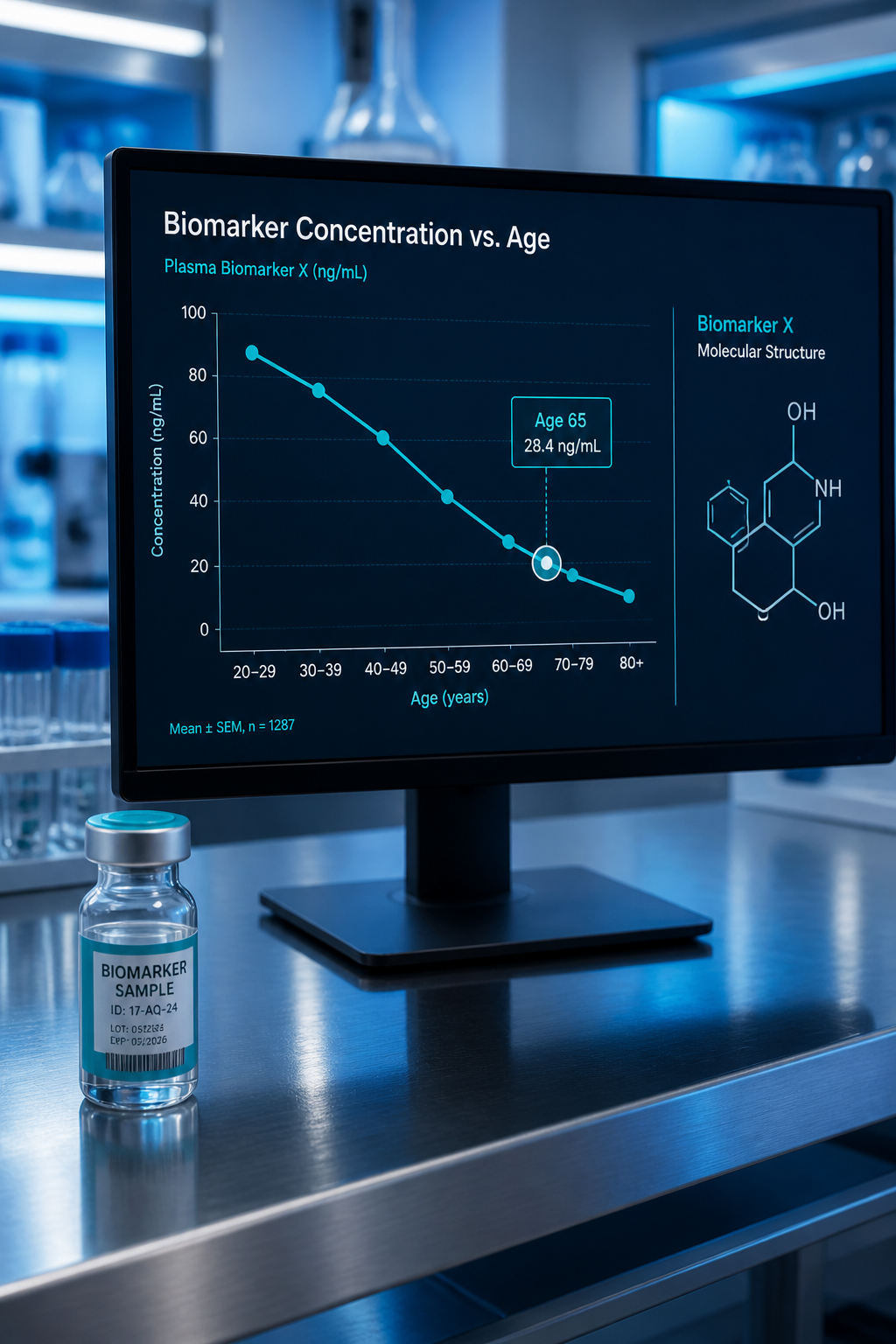
Where to Buy GHK-Cu in 2026: A Guide to Top-Tier Copper Peptides for Anti-Aging and Skin Repair
GHK-Cu is one of the only research peptides with a parallel life as a mainstream cosmetic ingredient. Here's how its dual identity changes what a legitimate research-grade source actually needs to document.
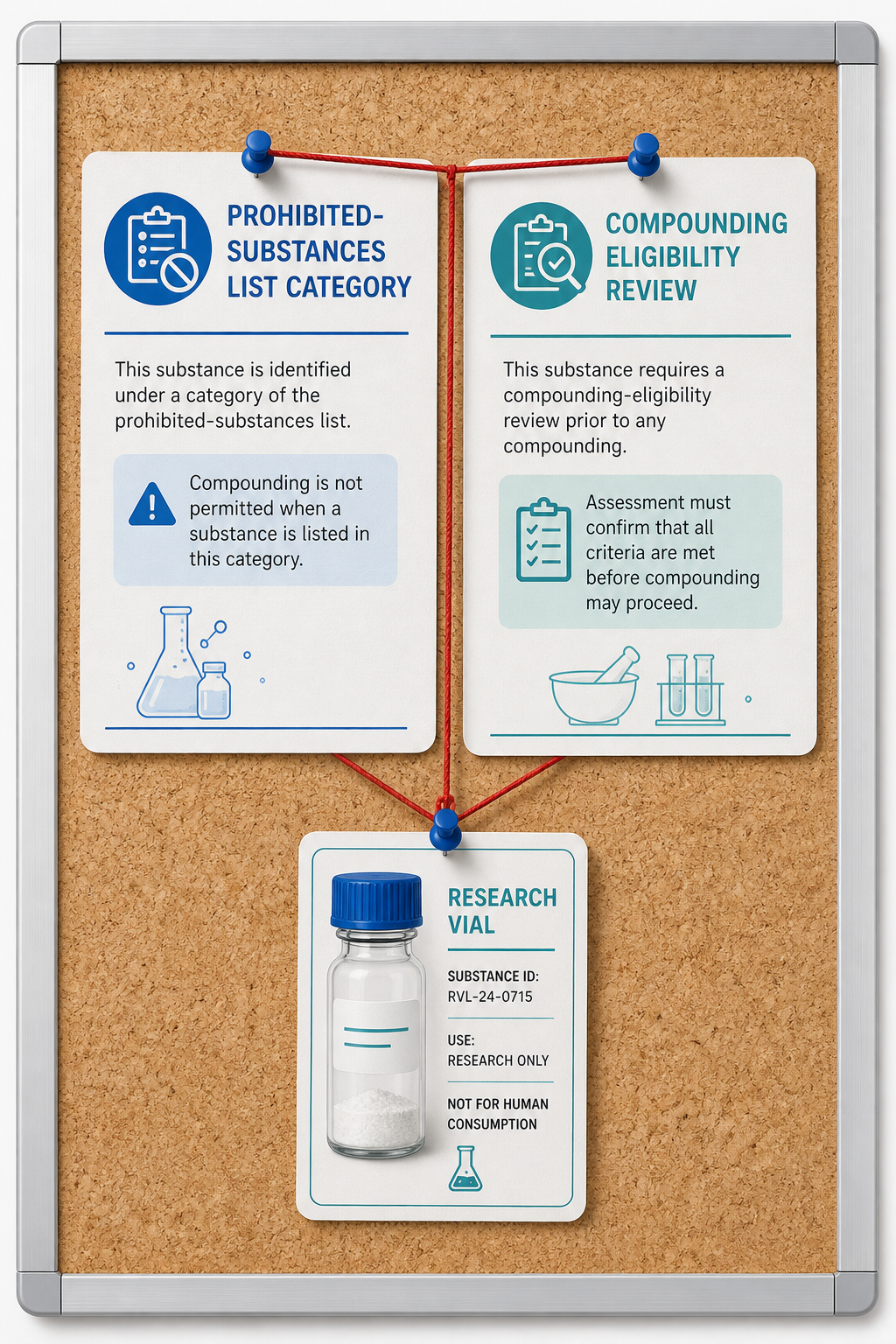
Where to Buy BPC-157 in 2026: A Guide to Sourcing the Ultimate Healing Peptide
BPC-157 has a large rodent-model evidence base, no completed human trial, and two regulatory developments from 2022-2023 that most listings still skip. Here's what to check before sourcing it.
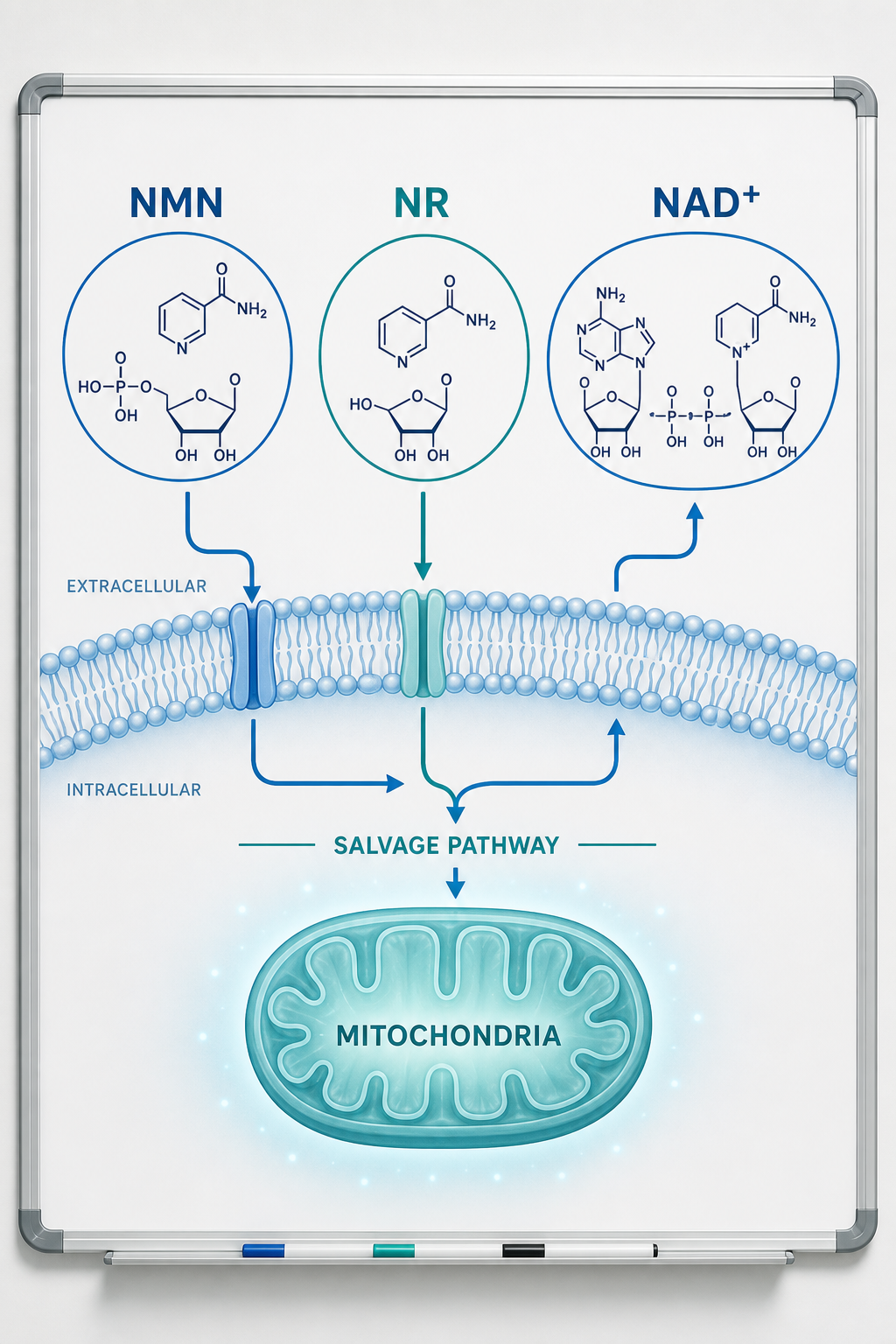
Where to Buy NAD+ in 2026: A Guide to the Best Sources for Cellular Energy and Longevity
NAD+, NMN, and NR get marketed as one interchangeable category, but they're pharmacologically distinct with different evidence bases. Here's how to identify which one a listing is actually selling before comparing suppliers.
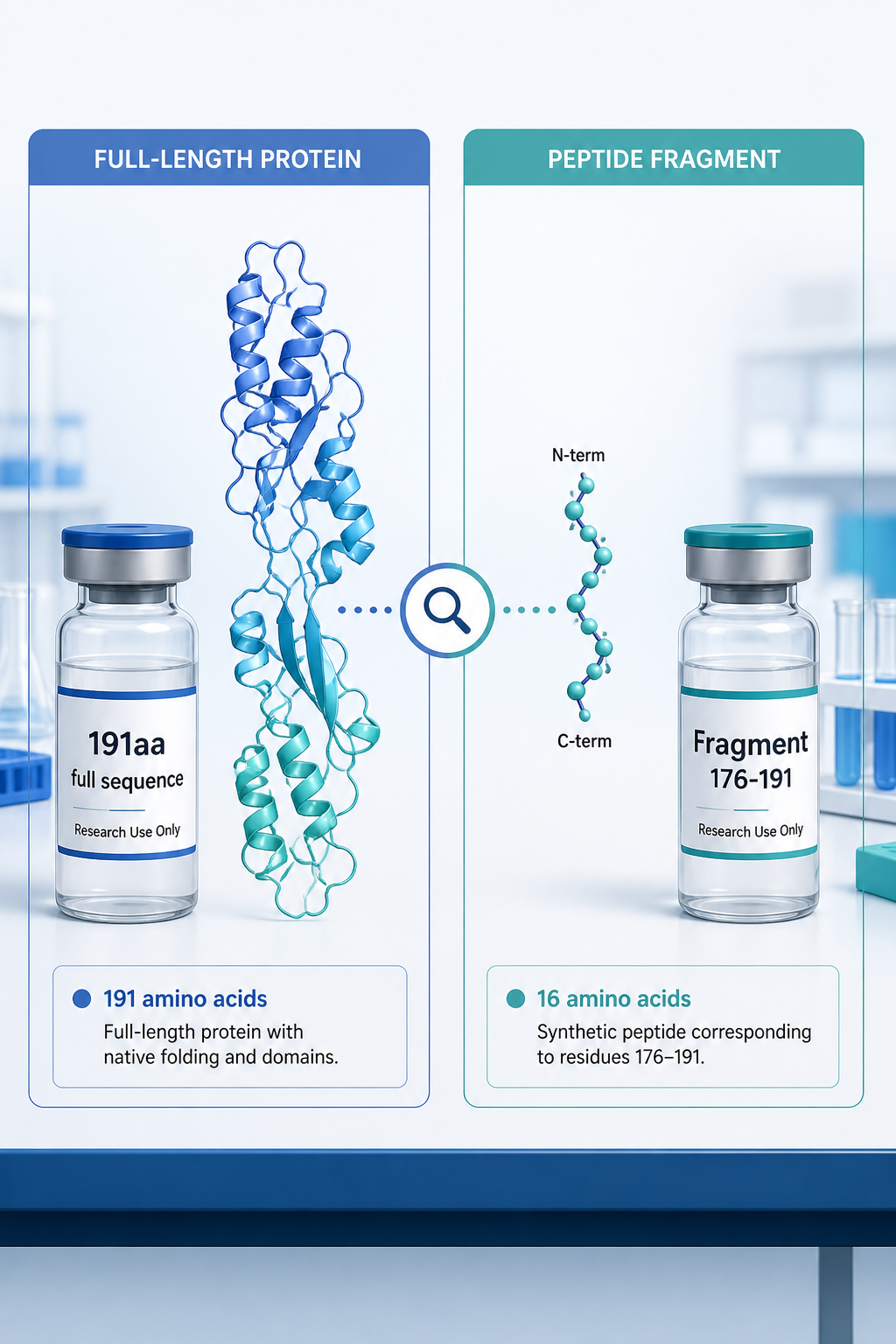
Where to Buy HGH 191aa in 2026: A Guide to Securing Premium Somatropin for Recovery
Full-length recombinant HGH 191aa is manufactured differently than short synthetic peptides, and that difference reshapes the entire supplier landscape. Here is how to tell a documented somatropin source from a counterfeit-risk one.
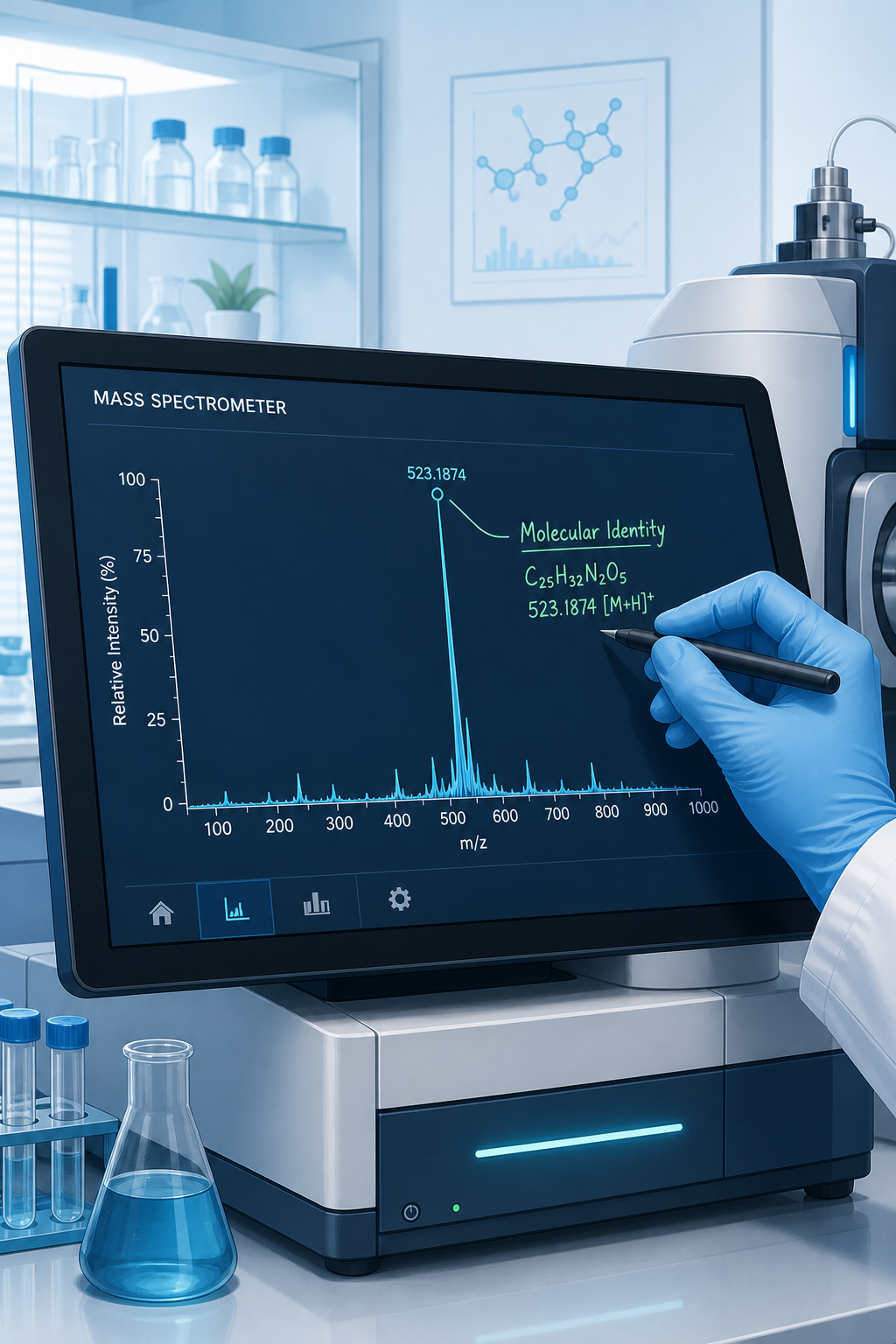
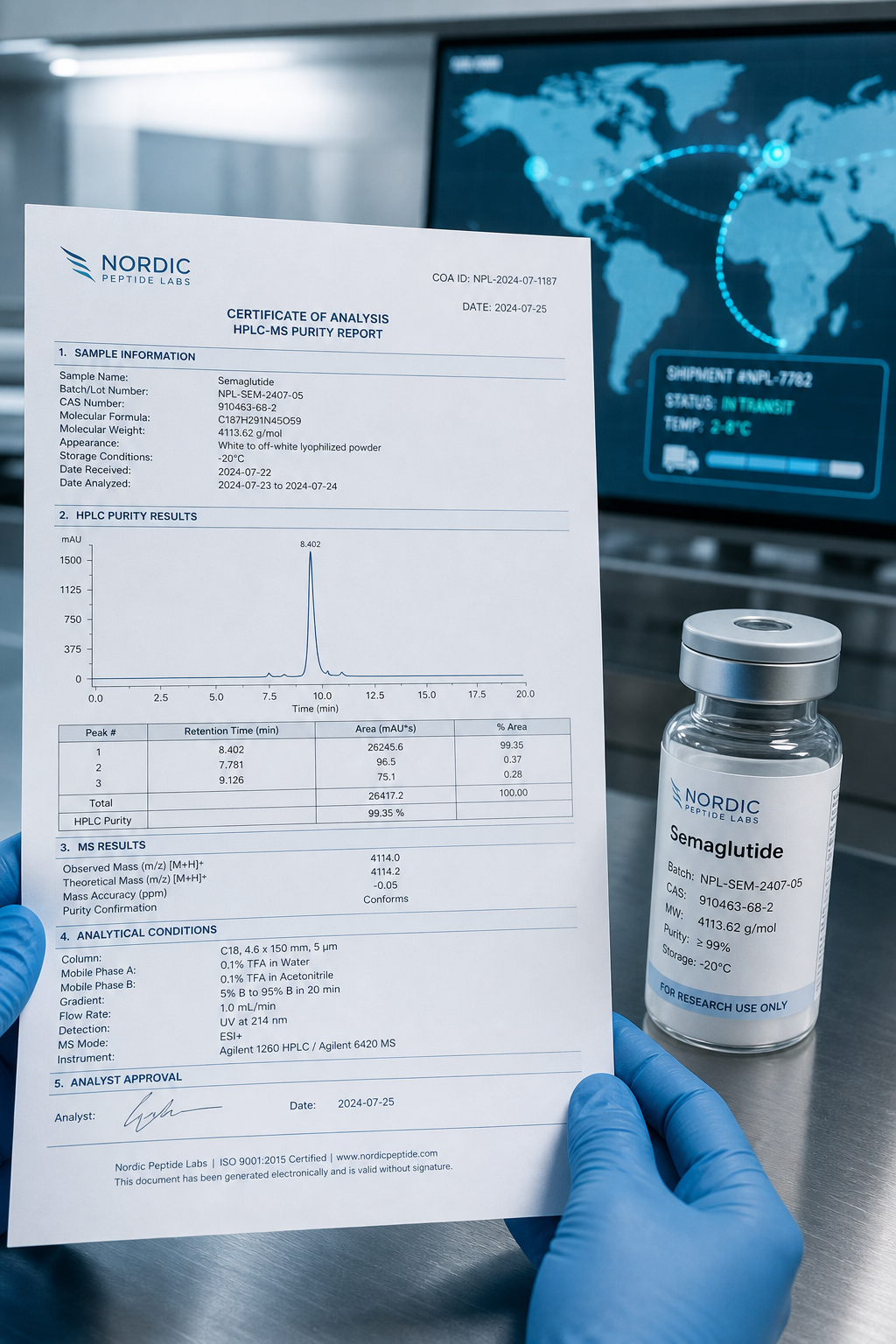
Where to Buy Semaglutide in 2026: A Guide to Finding Lab-Tested GLP-1 Agonists Online
Semaglutide's brand recognition as Ozempic and Wegovy drives search demand toward unrelated bulk research listings. Here is how to evaluate documentation, identity confirmation, and shipping across today's research-peptide suppliers.
Where to Buy Tirzepatide in 2026: A Guide to Sourcing High-Purity Peptides for Metabolic Research
Tirzepatide is both an FDA-approved prescription drug and an unapproved bulk research compound sold under the same name. Here is what actually separates a documented research supplier from a repackaging operation in 2026.
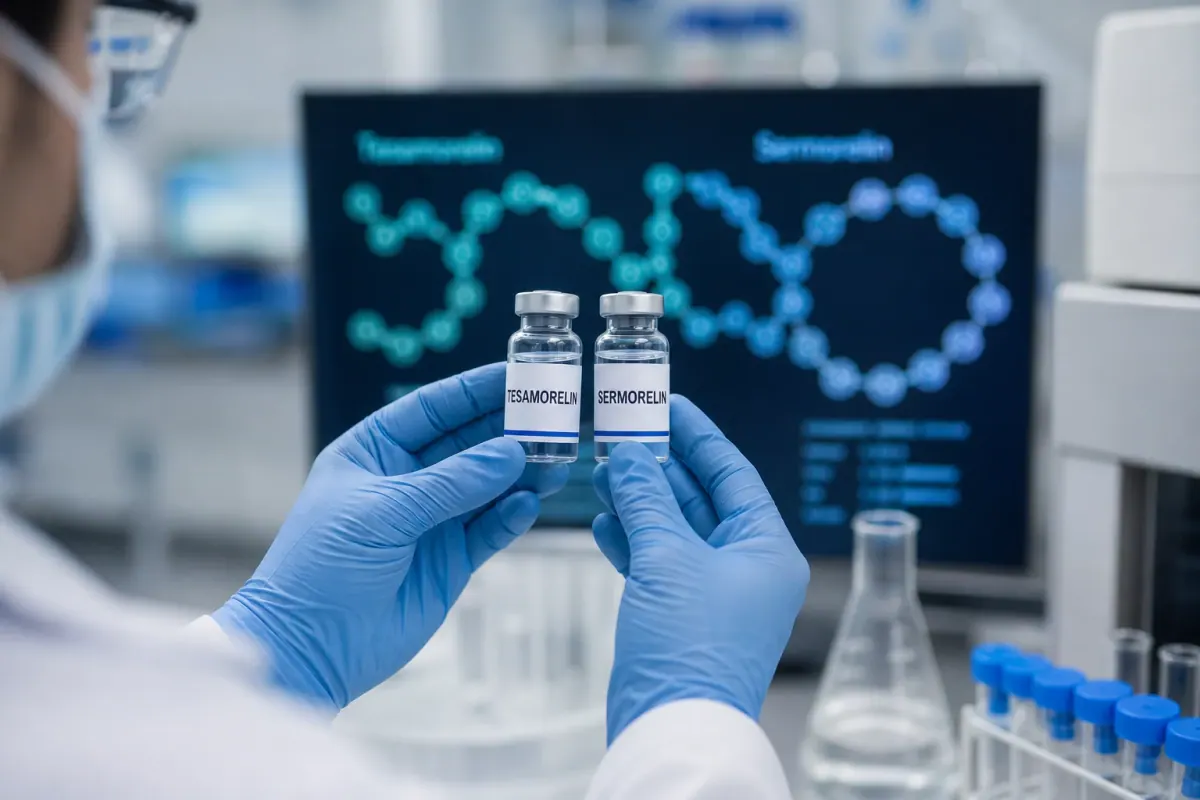
Tesamorelin vs sermorelin: Same hormone, opposite FDA status
Tesamorelin is an approved drug that pharmacies cannot compound. Sermorelin was discontinued in 2008 but remains compoundable. The difference starts at amino acid 41.
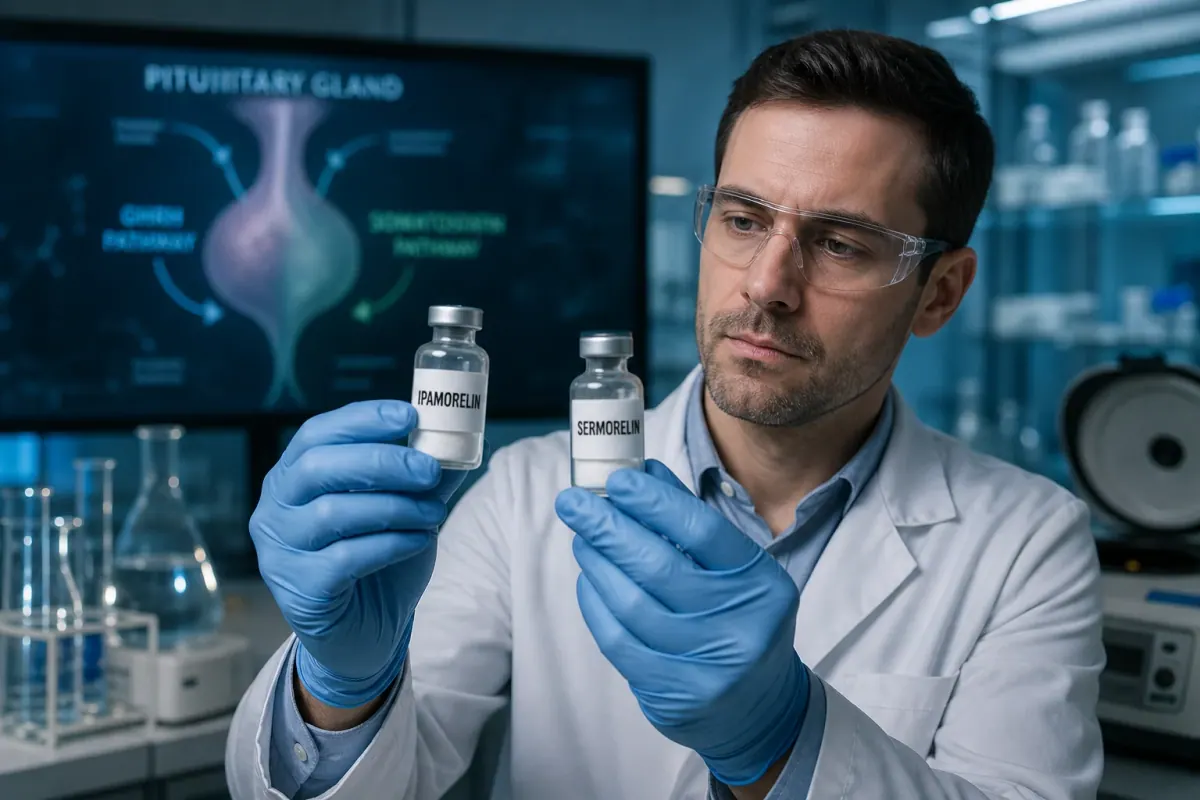
Ipamorelin vs Sermorelin: What the Trial Data and FDA Record Actually Show
Ipamorelin and sermorelin bind different receptors and carry opposite regulatory histories. One was an FDA-approved drug for 18 years. The other has never been approved, and an FDA advisory committee voted against it in 2024.
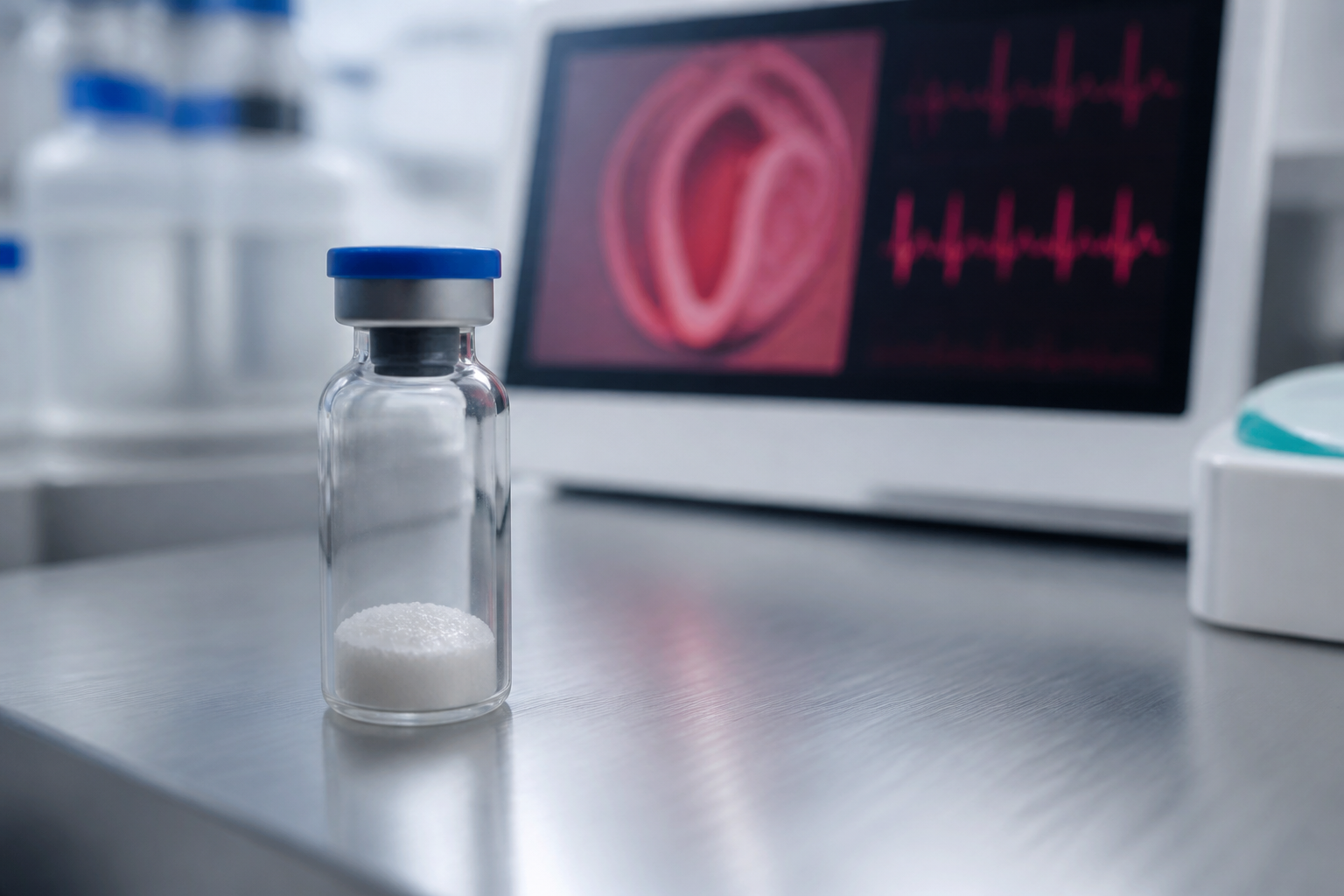
Hexarelin Acetate Research Peptide: Separating GHS-R1a From CD36
Hexarelin acetate engages GHS-R1a and binds CD36, but those targets do not explain the same endpoints. This research guide separates endocrine assays, cardiac models, salt mass, and analytical controls.