
Where to Buy GHK-Cu in 2026: A Guide to Top-Tier Copper Peptides for Anti-Aging and Skin Repair
Tetrava Labs Editorial Team9 min read
GHK-Cu is one of the only research peptides with a parallel life as a mainstream cosmetic ingredient. Here's how its dual identity changes what a legitimate research-grade source actually needs to document.
Where to buy GHK-Cu in 2026 means separating cosmetic-grade copper peptide from research-grade vials. GHK-Cu occupies an unusual position in the research-peptide market. It's one of the only compounds in this category that's also a mainstream, widely sold cosmetic ingredient, showing up by name in retail serums and creams alongside its parallel life as a research-grade tripeptide sold for laboratory use. That dual identity is worth understanding before sourcing it, because the evidence base, the manufacturing standards, and the buyer expectations differ meaningfully between a $40 drugstore serum and a research-grade vial, even when the molecule is chemically identical. This guide covers what actually distinguishes a well-documented research-grade GHK-Cu source from one riding the compound's cosmetic-market popularity without the manufacturing rigor to back it up.
What GHK-Cu is, and why its plasma decline with age is unusually well documented
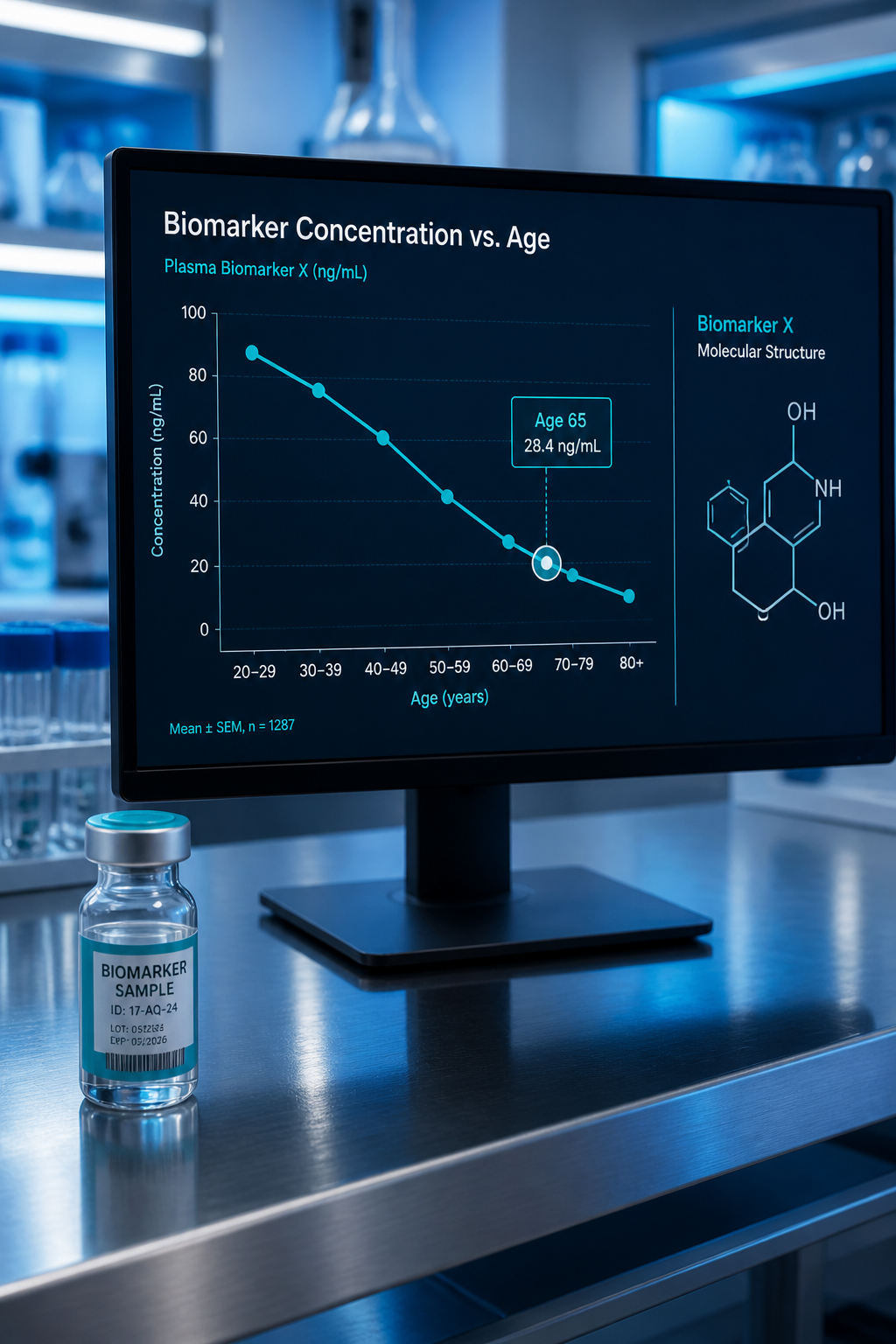
GHK-Cu is a naturally occurring copper-binding tripeptide, glycine-histidine-lysine complexed with a copper ion, first isolated from human plasma albumin by biochemist Loren Pickart in the early 1970s. Its plasma concentration is one of the more specifically quantified age-related declines in the peptide research literature: levels run at roughly 200 nanograms per milliliter in young adults and fall to around 80 nanograms per milliliter by age 60, a drop of more than 60 percent documented across Pickart's published work, most fully summarized in his 2008 review in the Journal of Biomaterials Science. A follow-up 2018 review examining GHK-Cu's mechanisms in light of newer gene-expression data extended that original observational work with molecular findings on how the tripeptide interacts with gene regulatory networks involved in tissue remodeling. That's a long, consistent research trail by the standards of this product category, five decades from initial isolation to current mechanistic work.
Why GHK-Cu's cosmetic-market history changes how you should evaluate a research listing
Because GHK-Cu has been formulated into commercial skincare products for years, there's substantially more published human dermatological data on topical application than for most other compounds in the research-peptide category, which mostly rely on rodent models. That's a real strength. It also means the research-grade market for GHK-Cu serves a different buyer than the cosmetic market does. Research listings are typically sold as lyophilized powder or reconstitution-ready vials intended for laboratory use in cell-culture or animal-model contexts, not as finished, stability-tested topical formulations. Treating a research vial as a drop-in substitute for a commercial serum skips the formulation science, preservative system, and stability testing that goes into an actual finished cosmetic product.

The gene-expression finding that expanded GHK-Cu's research scope beyond skin
The 2018 Pickart and Margolina review didn't just update the mechanism narrative. It introduced a striking transcriptomic finding: using gene-expression database analysis, the researchers reported that GHK at nanomolar concentrations was associated with modulated expression across roughly a third of the genes profiled, spanning tissue-remodeling, inflammatory-regulation, and Wnt-signaling gene sets. That's a large number, and it's worth reading as a hypothesis-generating finding from database-level analysis, not a demonstrated causal effect on that many genes in any single experimental system. It's the kind of result that expands where researchers look next rather than closing a question. It's also the mechanistic basis researchers cite when studying GHK-Cu outside its original wound-healing and dermatological context, including hair-follicle biology, where a 2016 clinical trial published in Annals of Dermatology tested a combination formulation containing the glycyl-histidyl-lysine peptide alongside 5-aminolevulinic acid and reported measurable hair-growth improvement over six months. That trial tested a combination product, not GHK-Cu in isolation. The peptide's own marketing frequently glosses over that distinction when citing the study as standalone evidence.
The GHK-Cu research-supplier landscape, verified August 2026
| Supplier | Documentation | 50mg vial (list) | Shipping |
|---|---|---|---|
| Tetrava Labs | Batch-specific COA, HPLC purity, lot-linked | $49.00 | Free over $250, tracked US shipping |
| Biotech Peptides | COA on request; also sells GHK-Cu in topical blend formats | $58.00–65.00 | Standard domestic shipping |
| Core Peptides | Batch COA available; frequently bundled with other "anti-aging" peptides | $55.00–62.00 | Standard domestic shipping |
| Polaris Peptides | COA available; smaller catalog | $52.00–60.00 | Standard domestic shipping |
Tetrava Labs sits at the low end of that comparison for an equivalent lyophilized research vial, with batch-specific COA documentation per lot. That matters because GHK-Cu's cosmetic-market crossover makes it one of the more heavily marketed compounds in the category, and price inflation tied to anti-aging branding rather than actual manufacturing cost is common across this segment.
Storage stability is a bigger factor than for uncomplexed peptides
GHK-Cu's copper-chelation makes it somewhat more chemically stable than an uncomplexed peptide in solution, but the lyophilized powder still degrades with heat and moisture exposure, and the copper complex itself can shift over time if reconstituted solutions are stored improperly or exposed to light for extended periods. Suppliers that give specific reconstitution and storage guidance, refrigeration temperature ranges, expected stability windows once reconstituted, and light-exposure precautions, are showing a level of engagement with the compound's actual chemistry that a bare "store cold" instruction doesn't. This matters more for GHK-Cu than for a simpler short-chain peptide precisely because the copper-complexation step is part of what defines the molecule, and degradation there isn't the same failure mode as ordinary peptide-bond hydrolysis.
Red flags specific to GHK-Cu listings
A research-grade vial marketed with cosmetic-style claims like "reduces wrinkles" or "anti-aging serum" without distinguishing that the product is an unformulated research compound, not a finished, stability-tested topical product.
No stated copper-content verification. Because the compound is defined by its copper-chelation, a COA that confirms peptide purity without addressing copper content isn't verifying the complete molecule.
Vague sourcing of the copper complexation step. Complexing the tripeptide with copper is a distinct manufacturing step from synthesizing the peptide chain itself, and a supplier that can't describe how that step gets verified is skipping a meaningful part of quality control.
Pricing pegged to "anti-aging" demand rather than comparable peptide-synthesis costs, visible when GHK-Cu is priced well above chemically similar tripeptides with no manufacturing justification offered.
No lot-specific documentation on bundled "beauty stack" listings, a pattern common when GHK-Cu gets bundled with other peptides under lifestyle branding rather than sold as a standalone, documented research compound.
Frequently Asked Questions (FAQ)
Is research-grade GHK-Cu the same molecule sold in skincare serums? Chemically, yes, same tripeptide, same copper complexation. What differs is the formulation: a finished cosmetic product includes a delivery vehicle, preservative system, and stability testing that a research-grade lyophilized vial does not.
Why does GHK-Cu have more human data than compounds like BPC-157? Its long history as a commercial cosmetic ingredient generated substantially more published topical human-skin research than exists for compounds confined mostly to rodent models, giving it a broader evidence base for dermatological applications specifically.
How is copper content actually verified in a COA? Typically via a separate analytical method from standard peptide-purity HPLC, since it's measuring metal-ion content rather than peptide sequence. A supplier that only reports peptide purity without addressing copper stoichiometry hasn't fully characterized the compound as sold.
Does GHK-Cu's plasma level naturally recovering matter for research design? The well-documented age-related decline is one of the more specific, quantified findings in this literature, and it's a big part of why GHK-Cu attracted early research interest. A measurable biomarker with a clear age-related trend is a more tractable research starting point than a compound without one.
Does the "modulates a third of human genes" finding mean GHK-Cu directly changes that many genes? Not in the sense of a demonstrated causal experiment. That figure comes from database-level transcriptomic analysis correlating GHK exposure with expression-pattern changes across a large gene set, a hypothesis-generating result, not a mechanism confirmed gene-by-gene in a controlled experiment.
Does the 2016 hair-growth trial prove GHK-Cu regrows hair on its own? Not by itself. That trial tested a combination formulation of the GHK peptide with 5-aminolevulinic acid, not GHK-Cu in isolation, so the measured effect can't be cleanly attributed to the copper peptide alone.
Are there other tripeptides marketed on the same "copper peptide" claim as GHK-Cu? Some listings use "copper peptide" loosely to describe unrelated or less-studied sequences complexed with copper. GHK-Cu is the specific, named molecule with the plasma-decline data and the Pickart research trail behind it. A generic "copper peptide" label without the GHK sequence stated isn't the same product.
GHK-Cu's decades-long research history and its parallel life as a commercial skincare ingredient make it one of the better-documented compounds in this market. That same commercial popularity is also why marketing language tends to run ahead of what any single research vial can actually claim. Confirm the documentation covers both peptide purity and copper content, and treat a research-grade vial as exactly that.
References
- Pickart L. (2008). The human tri-peptide GHK and tissue remodeling. Journal of Biomaterials Science, Polymer Edition
- Pickart L, Margolina A. (2018). Regenerative and Protective Actions of the GHK-Cu Peptide in the Light of the New Gene Data. International Journal of Molecular Sciences
- Lee WJ, et al. (2016). Efficacy of a Complex of 5-Aminolevulinic Acid and Glycyl-Histidyl-Lysine Peptide on Hair Growth. Annals of Dermatology

Editorial Team, Tetrava Labs
Content published by Tetrava Labs is compiled and fact-checked using peer-reviewed scientific literature, HPLC-MS Certificates of Analysis (COA), and primary biochemical data. Research use only.
·
Research Use Only Disclaimer
All products are intended for laboratory research purposes only. Not approved for human consumption, diagnostic use, or therapeutic applications. By purchasing, you confirm you are a qualified research professional.
Related articles
Retatrutide Benefits Beyond Weight Loss: What the 2026 Trial Data Actually Show
Retatrutide's liver, knee, kidney, and lipid results — fact-checked against primary trial sources and sorted by evidence tier, from published data to still-preclinical claims.
BPC-157 vs TB-500: The Hidden Truth About What's in the Vial
Comparing BPC-157 vs. TB-500? Uncover the clinical evidence—and the hidden chemical truth behind TB-500's borrowed research.
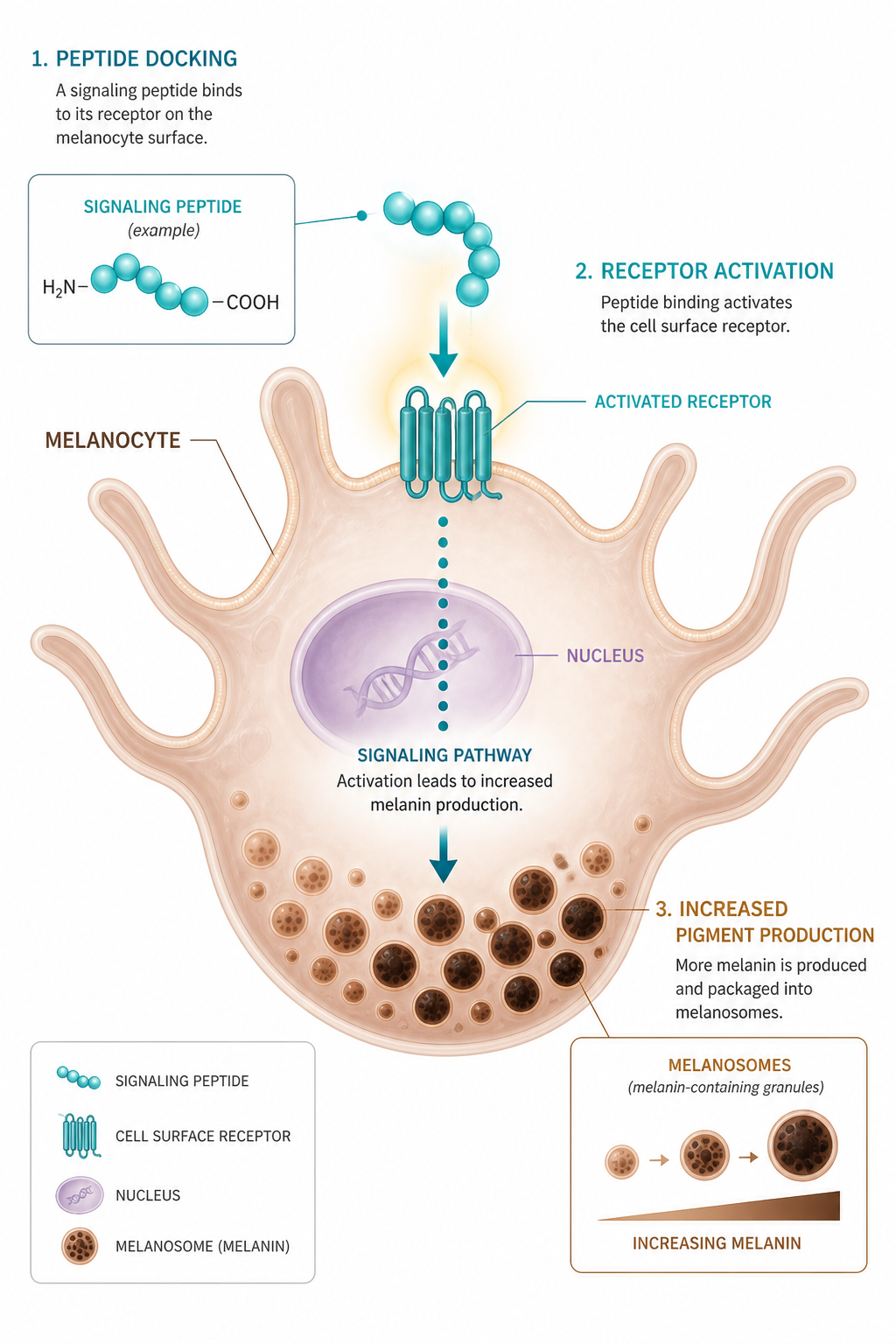
Where to Buy Melanotan 2 in 2026: A Guide to Safe Sourcing and Verifying MT2 Purity
Melanotan 2 carries one of the more specific, peer-reviewed adverse-event records in the research-peptide category, plus a decade of MHRA warnings. Here's what the documented risk actually says before any sourcing decision.