
Where to Buy HGH 191aa in 2026: A Guide to Securing Premium Somatropin for Recovery
Tetrava Labs Editorial Team9 min read
Full-length recombinant HGH 191aa is manufactured differently than short synthetic peptides, and that difference reshapes the entire supplier landscape. Here is how to tell a documented somatropin source from a counterfeit-risk one.
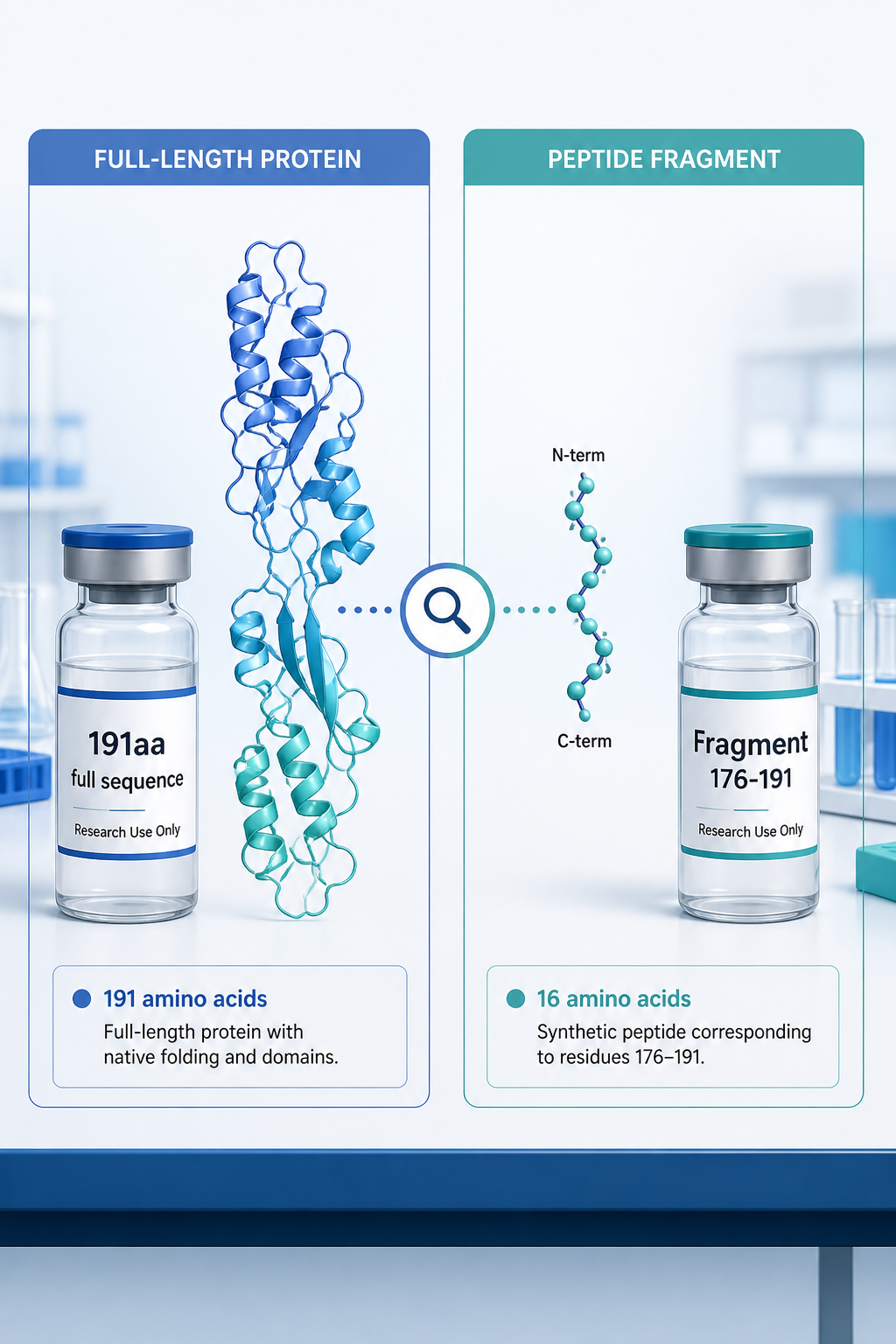
Where to buy HGH 191aa in 2026 starts with confirming you want the full 191-amino-acid somatropin sequence, not a fragment. HGH 191aa refers to recombinant human growth hormone, the same sequence used in approved pharmaceutical products like Genotropin and Humatrope. That "191aa" label matters more than it looks. It's how the research market distinguishes full-length recombinant GH from GH fragments, like Fragment 176-191, which are shorter, cheaper, and biologically distinct molecules frequently confused with the real thing. Sourcing HGH 191aa for laboratory research also runs into a problem shorter synthetic peptides don't have: full-length GH is produced by recombinant DNA expression in living cells, not solid-phase peptide synthesis. That changes the supplier landscape, the documentation standards, and the counterfeit risk compared with a peptide like BPC-157. This guide covers which suppliers realistically carry the real molecule, what a legitimate certificate of analysis needs to show for a full protein rather than a short peptide, and where the documented counterfeit risk in this category tends to concentrate.
What HGH 191aa is, and why its manufacturing process changes everything about sourcing it
Recombinant human growth hormone is expressed in bacterial or mammalian cell systems, purified, and lyophilized. That's a fundamentally more complex process than the solid-phase chemical synthesis used for chain peptides under roughly 40 amino acids. The complexity is also a matter of documented medical history. Before recombinant production existed, growth hormone was extracted from cadaveric pituitary glands, and in 1985 the U.S. National Institutes of Health suspended pituitary-derived hGH distribution after several recipients died of Creutzfeldt-Jakob disease linked to prion contamination in the source material. Recombinant hGH, cloned and expressed via bacterial systems, replaced pituitary extraction entirely and remains the only production method used anywhere in the world today. In research models, the 191-amino-acid protein binds its cell-surface receptor and activates the JAK2/STAT5 signaling pathway with downstream induction of IGF-1, mechanisms studied in Endocrine Society clinical guidelines developed for diagnosed adult growth hormone deficiency, not general-population use.
The 1985 pituitary-hormone recall is why every legitimate hGH product today is recombinant
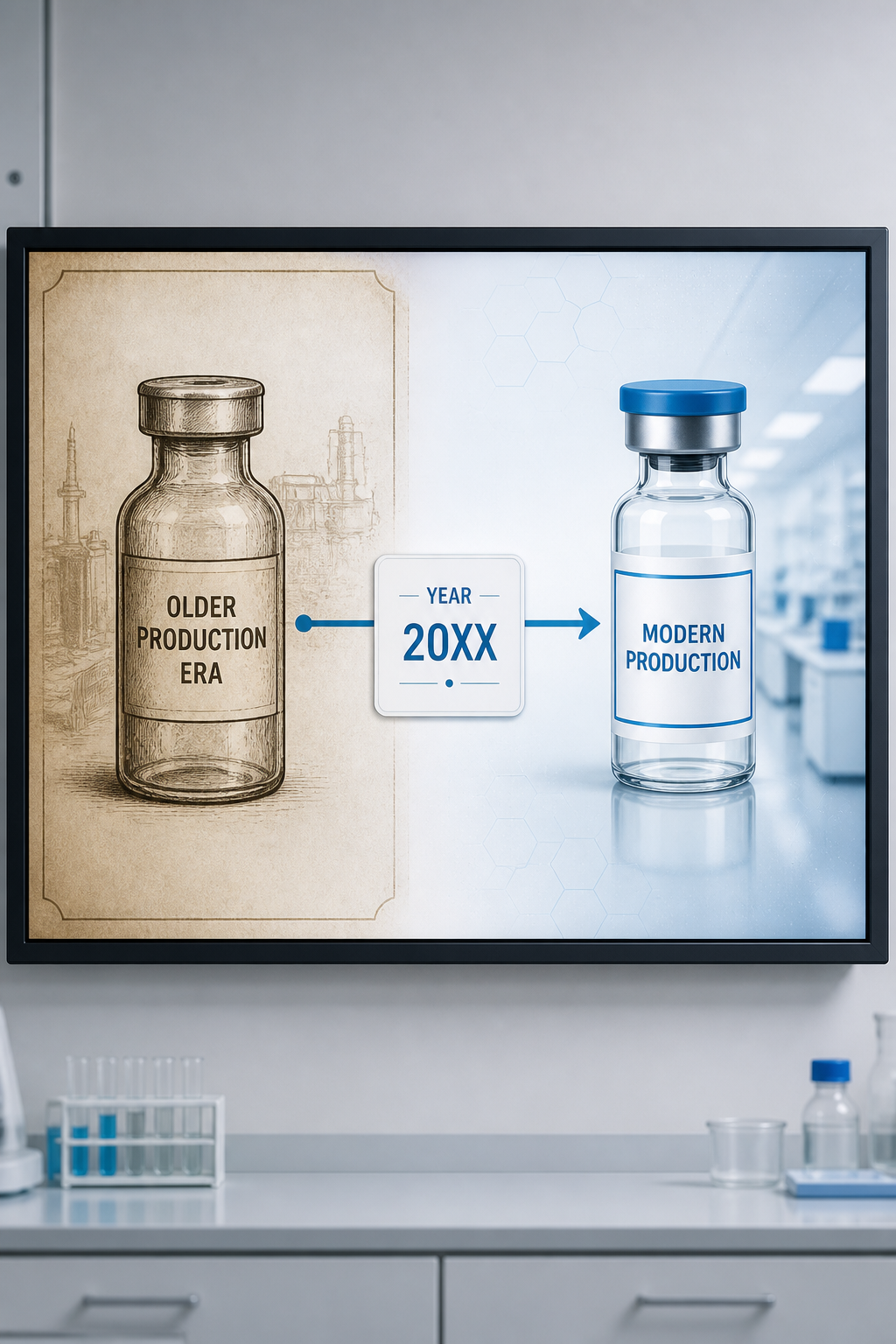
For roughly three decades before recombinant synthesis existed, growth hormone used in both clinical treatment and research was extracted from the pituitary glands of human cadavers, a process that required thousands of donor glands to produce even modest treatment quantities. The National Institutes of Health suspended distribution of pituitary-derived hGH in April 1985 after several young recipients died of Creutzfeldt-Jakob disease, a rare and fatal prion illness later confirmed to have been transmitted through contaminated pituitary material. That single event ended cadaveric hGH production worldwide within the year and pushed the industry toward recombinant manufacturing, which had been approved shortly before. It's an unusual case in the history of biologics: a supply-chain contamination risk that recombinant DNA technology solved by removing the human-tissue input entirely. Every legitimate hGH product sold today, prescription or research-grade, is recombinant for this reason. Claims of "natural" or "pituitary-derived" GH in a modern listing should read as a red flag, not a premium feature.
The HGH 191aa research supply landscape is thinner than for shorter peptides
In reviewing today's market for this guide, several of the largest generalist US research-peptide shops, including Biotech Peptides, Core Peptides, and Protide Health, didn't carry a full-length 191aa somatropin product at all. What those catalogs do carry is Fragment 176-191, a short 15-amino-acid fragment of the GH molecule's C-terminus. It's a structurally different research tool studied for a narrower set of metabolic questions, priced closer to a standard short peptide because it's made the same way. Full-length recombinant GH is instead concentrated among a smaller set of specialist suppliers who explicitly manufacture or import a recombinant protein product. Several list it under a generic name like "recombinant research peptide" or "191AA" rather than spelling out "growth hormone," probably for the same compliance-caution reasons seen with GLP-1 analogs elsewhere in the research-peptide market.
What separates a documented HGH 191aa supplier from a counterfeit-risk one
Because full-length recombinant GH requires cell-culture production rather than simple chemical synthesis, it carries a higher documented counterfeit and under-dosing risk in the broader gray market than short synthetic peptides do. A lyophilized powder is easy to substitute or dilute, and verifying biological activity requires assays most buyers can't run themselves. That makes third-party documentation more important here, not less. A real certificate of analysis for a recombinant GH product should show identity confirmation by LC-MS or an equivalent method appropriate to a roughly 22 kDa protein, not just a peptide-scale HPLC trace. It should also state an IU-to-mg potency conversion consistent with the labeled strength and a lot number matching the vial. A supplier that only shows a generic HPLC purity number without addressing molecular size or identity is applying peptide-scale testing to a protein-scale product. That doesn't confirm what's actually in the vial.
Where researchers are sourcing HGH 191aa in 2026
| Supplier | Documentation | 12IU vial (list) | Shipping |
|---|---|---|---|
| Peptides Source | Lists as "recombinant research peptide," 191-amino-acid sequence stated on product page; >98% purity, COA available, USA-made | $45.00 (tiered discounts to 30% off at 10+ units) | Free over $340; same-day dispatch before noon EST |
| Tetrava Labs | Batch-specific COA published per lot; IU potency and 191aa sequence identity stated | $55.00 | Tracked US shipping |
| Specialist import sellers (varies by name) | Documentation quality varies significantly; several reviewed for this guide did not publish batch-specific COAs at all | Highly variable, often below the domestic-manufacture price floor | Often international, longer and less predictable transit |
The third row is the most important one. Tetrava Labs publishes batch-specific COAs with stated identity-confirmation methods for full-length recombinant material. The specialist-import segment of this market is where counterfeit and under-dosed material shows up most often in reports, and price alone won't tell you which listings fall into that category. A batch-specific COA with a stated identity-confirmation method is the minimum bar for a full-length recombinant protein, not a bonus feature.
Red flags specific to HGH 191aa listings
No stated identity-confirmation method appropriate to a full protein. A peptide-style HPLC purity number alone doesn't confirm you received a 22 kDa recombinant protein rather than something else entirely.
A price far below the domestic-manufacture floor. Recombinant cell-culture production costs meaningfully more than solid-phase peptide synthesis, so an extremely low price for "191aa" material is one of the more reliable indicators of substitution or dilution.
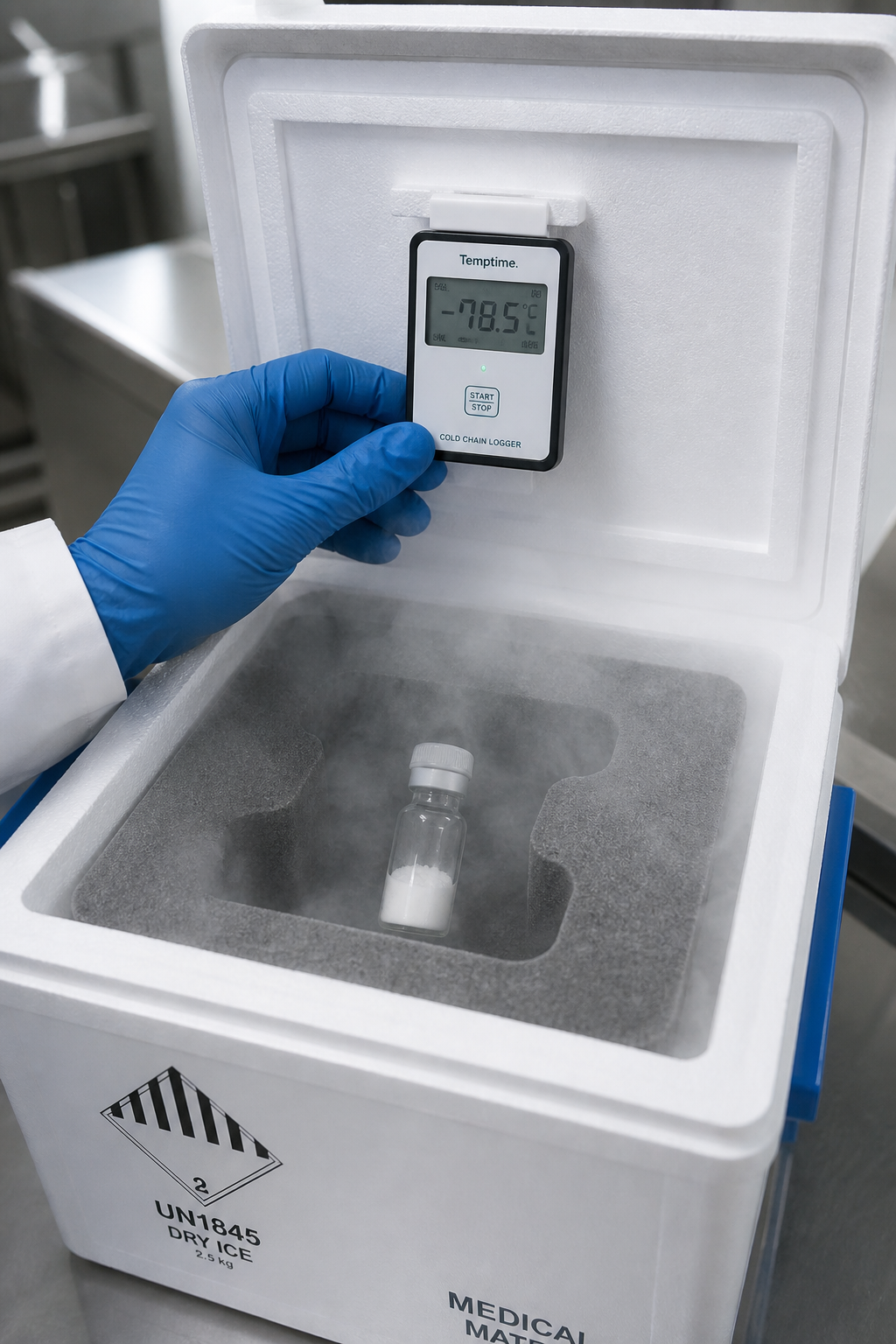
Vague or missing country of manufacture, especially combined with international shipping and long transit times, which also raises cold-chain integrity risk for a temperature-sensitive protein.
Marketing copy centered on physique, anti-aging, or recovery outcomes rather than receptor pharmacology or IGF-1 pathway research. That's a strong signal the listing targets personal use rather than laboratory buyers.
Confusing "191aa" and "Fragment 176-191" in the same listing, or using the terms interchangeably. They're different molecules with different research applications, and a supplier that conflates them either doesn't understand its own inventory or is counting on the buyer not to check.
Frequently Asked Questions (FAQ)
Is HGH 191aa the same thing as Fragment 176-191? No. HGH 191aa is the complete, full-length recombinant growth hormone sequence. Fragment 176-191 is a short 15-amino-acid piece of that sequence, studied for a narrower set of metabolic research questions, and priced and manufactured more like a standard synthetic peptide.
Why don't more mainstream research-peptide shops carry full-length HGH 191aa? Full-length recombinant GH needs cell-culture-based production, a different manufacturing infrastructure than the solid-phase synthesis most generalist peptide suppliers use for shorter chains. That's a structural reason the catalog looks thinner in this category, not a regulatory one.
How can I verify a full protein's identity if I can't run a bioassay myself? Ask the supplier what method confirmed identity, and whether the COA states a method appropriate to a roughly 22 kDa protein specifically, not a generic peptide purity percentage. A supplier that can answer this in detail is a better sign than one that can't.
Does IU labeling tell me anything about quality? IU, or international units, describes potency by biological convention, not purity. A vial can carry a specific IU strength on the label and still lack any independent verification that the stated potency is accurate. That verification is what the COA is supposed to provide.
Why does the 1985 pituitary-hormone history matter for a 2026 sourcing decision? It's the reason recombinant production isn't optional or a marketing detail. It's the entire basis for modern GH safety. Any listing that implies a non-recombinant or "natural" source for a research-grade product is either misinformed about its own material or describing something outside the documented safety history of this compound class entirely.
Does a higher IU count per vial mean a stronger, more effective batch? It tells you the labeled dose, nothing more. A higher IU figure on an undocumented vial is just a bigger unverified number. The COA, not the IU count, is what tells you whether the labeled strength is real.
The manufacturing gap between full-length recombinant GH and short synthetic peptides is the single most useful thing to understand before sourcing HGH 191aa for research. It changes who can realistically supply it, what documentation actually confirms identity, and where counterfeit risk concentrates in the current market. Start by confirming which molecule a listing is actually describing, then check that the documentation matches a full protein, not a peptide.
References
- Fradkin JE, et al. (1991). Human growth hormone and Creutzfeldt-Jakob disease. PubMed
- National Institute of Diabetes and Digestive and Kidney Diseases. (2025). National Hormone & Pituitary Program (NHPP): Information for People Treated with Pituitary Human Growth Hormone. NIDDK / NIH
- Molitch ME, et al. (2011). Evaluation and Treatment of Adult Growth Hormone Deficiency: An Endocrine Society Clinical Practice Guideline. Journal of Clinical Endocrinology & Metabolism

Editorial Team, Tetrava Labs
Content published by Tetrava Labs is compiled and fact-checked using peer-reviewed scientific literature, HPLC-MS Certificates of Analysis (COA), and primary biochemical data. Research use only.
·
Research Use Only Disclaimer
All products are intended for laboratory research purposes only. Not approved for human consumption, diagnostic use, or therapeutic applications. By purchasing, you confirm you are a qualified research professional.
Related articles

Retatrutide Benefits Beyond Weight Loss: What the 2026 Trial Data Actually Show
Retatrutide's liver, knee, kidney, and lipid results — fact-checked against primary trial sources and sorted by evidence tier, from published data to still-preclinical claims.

BPC-157 vs TB-500: The Hidden Truth About What's in the Vial
Comparing BPC-157 vs. TB-500? Uncover the clinical evidence—and the hidden chemical truth behind TB-500's borrowed research.
Where to Buy Melanotan 2 in 2026: A Guide to Safe Sourcing and Verifying MT2 Purity
Melanotan 2 carries one of the more specific, peer-reviewed adverse-event records in the research-peptide category, plus a decade of MHRA warnings. Here's what the documented risk actually says before any sourcing decision.