
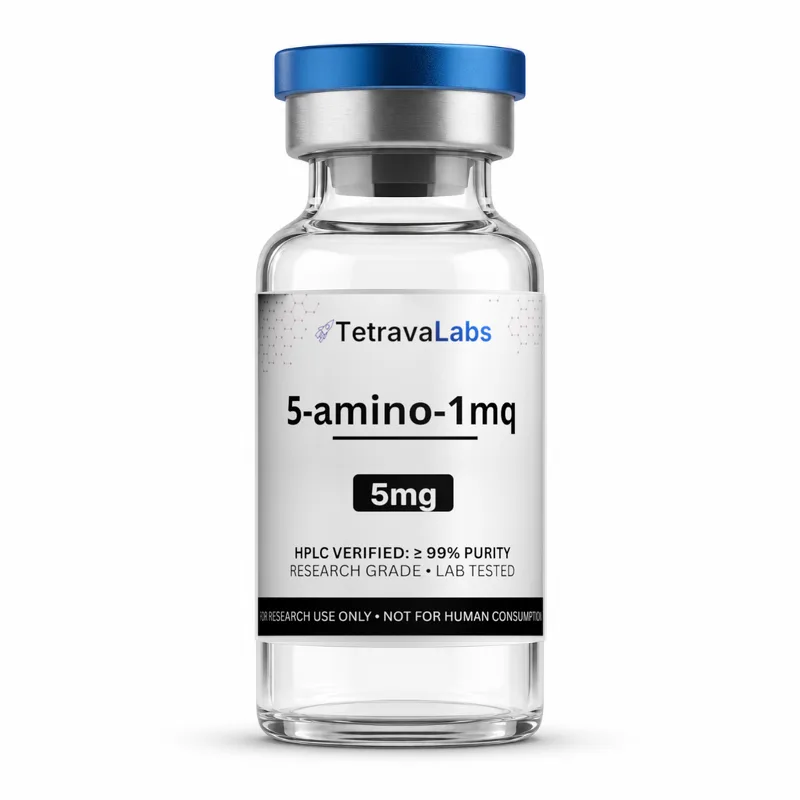
5-amino-1mq (5mg)
For Research Use Only. Not for human consumption.
99%+ purity
$32.00 – $265.00
Buy 5-amino-1mq online from Tetrava Labs. 5-Amino-1MQ is a small-molecule NNMT inhibitor researched for metabolic and cellular energy pathways in laboratory models.
- FREE shipping on all orders
- Guaranteed delivery to your doorstep
- Secure payment with card or crypto
- Enjoy discounts with every purchase
24/7 support — Email or WhatsApp
Select strength
1 / 5 / 10 vials
$265.00
$320.00
10 vials · $26.50/vial
You save $55
5-amino-1mq
5-amino-1MQ is a small-molecule inhibitor of nicotinamide N-methyltransferase (NNMT), a cytosolic enzyme that sits at the junction of methyl-donor and NAD+ metabolism. It is not a peptide. The methylquinolinium scaffold behind it was built to cross cell membranes and to leave related methyltransferases alone.[1][2] Every efficacy result for this class comes from cultured adipocytes and diet-induced obese mice.
Tetrava Labs lists 5-amino-1MQ in 5 mg and 10 mg lyophilized research vials alongside its other research peptides and metabolic reagents. Research Use Only. Not for human or veterinary consumption.
Specifications
These fields are the catalog identity for 5-amino-1mq. Match the lot on the vial to the COA library published by Tetrava Labs before an assay. CAS 42464-96-0 is the registry lookup on PubChem.
5-amino-1mq Research
Mechanism
Think of NNMT as a drain on two budgets at once. It takes nicotinamide, the NAD+ precursor, and S-adenosylmethionine (SAM), the cell's main methyl donor, and spends both to make a waste product. Lower the enzyme and both budgets recover. In adipose tissue, knocking down Nnmt in mice raised SAM and NAD+ levels and increased polyamine flux, and the animals resisted diet-induced obesity.[3]
5-amino-1MQ belongs to the methylquinolinium inhibitor series that tested this idea with a drug-like molecule instead of antisense. In cells, these compounds lowered the NNMT product 1-methylnicotinamide, raised NAD+ and SAM, and suppressed lipogenesis.[2] That makes the compound a tool for asking one clean question: what happens to adipocyte energy balance when NNMT is switched off?
What the published models measured
The best-cited in vivo paper reports that a potent inhibitor from this series reduced body weight and white adipose mass, shrank adipocytes, and lowered plasma total cholesterol in diet-induced obese mice. Food intake did not change and no adverse effects were observed.[2] The structure-activity work that produced the scaffold is in the earlier medicinal-chemistry paper.[1]
Read the abstract carefully before attaching a result to a specific vial: the in vivo paper tested a lead inhibitor from a series, and the analogue named in a product listing is not guaranteed to be the analogue that was dosed. Check the full text for the compound number.
Where the evidence stops
There is no human efficacy dataset behind this page. Everything above is cell culture or mouse work, and the authors present it as support for developing NNMT inhibitors, not as a finished result.[2] Rodent-to-primate translation is a known hurdle, so treat the mouse result as a reason to run a controlled experiment, not as a forecast.
A second limit is chemical, not biological. The catalog lists the iodide salt, so the mass on the specification table (286.11) is for the salt, not the active cation. Studies describe the methylquinolinium cation. Confirm which species a given protocol or paper actually used.
Identity and the certificate of analysis
A cross-check we recomputed from the catalog formula: the iodide salt C10H11IN2 averages 286.1 Da, but a mass spectrometer in positive mode sees the cation alone. The expected ion is the C10H11N2+ cation at m/z 159.09 (monoisotopic), not 286. A certificate that reports the salt weight as the observed mass is reading the label, not the spectrum.
Ask for the lot's chromatogram and mass trace on the COA library page, and compare the identity ion with the 159.09 value. Browse neighbouring reagents in the metabolic and mitochondrial category, or compare the enzyme-target approach with the incretin route in semaglutide.
References
- Neelakantan H, et al. Structure-Activity Relationship for Small Molecule Inhibitors of Nicotinamide N-Methyltransferase. J Med Chem. 2017.
- Neelakantan H, et al. Selective and membrane-permeable small molecule inhibitors of nicotinamide N-methyltransferase reverse high fat diet-induced obesity in mice. Biochem Pharmacol. 2018.
- Kraus D, et al. Nicotinamide N-methyltransferase knockdown protects against diet-induced obesity. Nature. 2014.
Author Profile

Tetrava Labs Editorial Team
Editorial Team, Tetrava Labs
Content published by Tetrava Labs is compiled and fact-checked using peer-reviewed scientific literature, HPLC-MS Certificates of Analysis (COA), and primary biochemical data. Research use only.
Frequently Asked Questions
Research Use Only Disclaimer
All products are intended for laboratory research purposes only. Not approved for human consumption, diagnostic use, or therapeutic applications. By purchasing, you confirm you are a qualified research professional.
You may also like
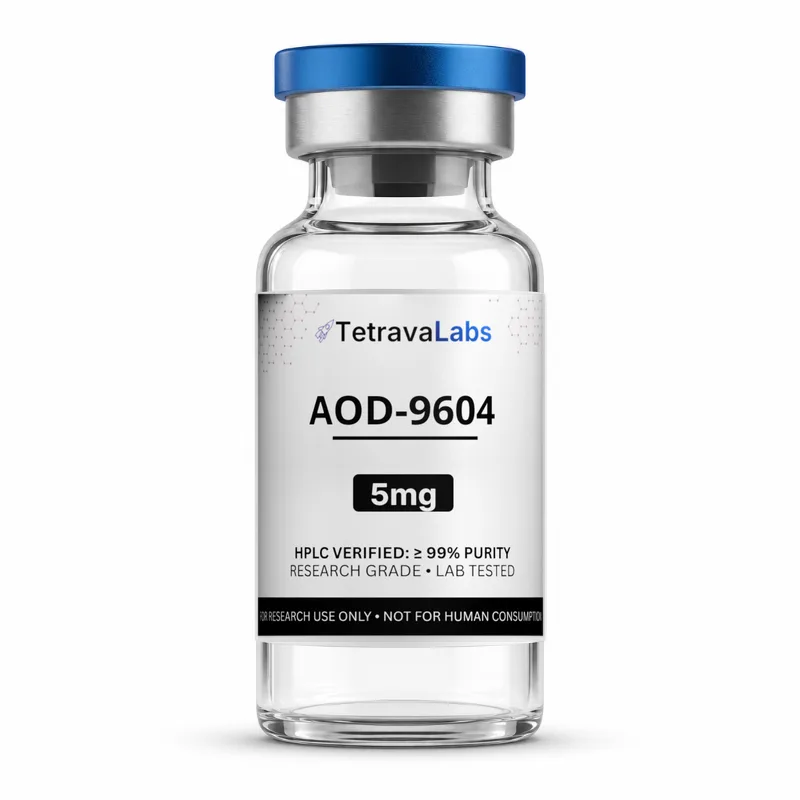
AOD-9604
From$49.00
5mg / 10mg · 1, 5 or 10 vials
As low as $39.20/vial
For laboratory research use only
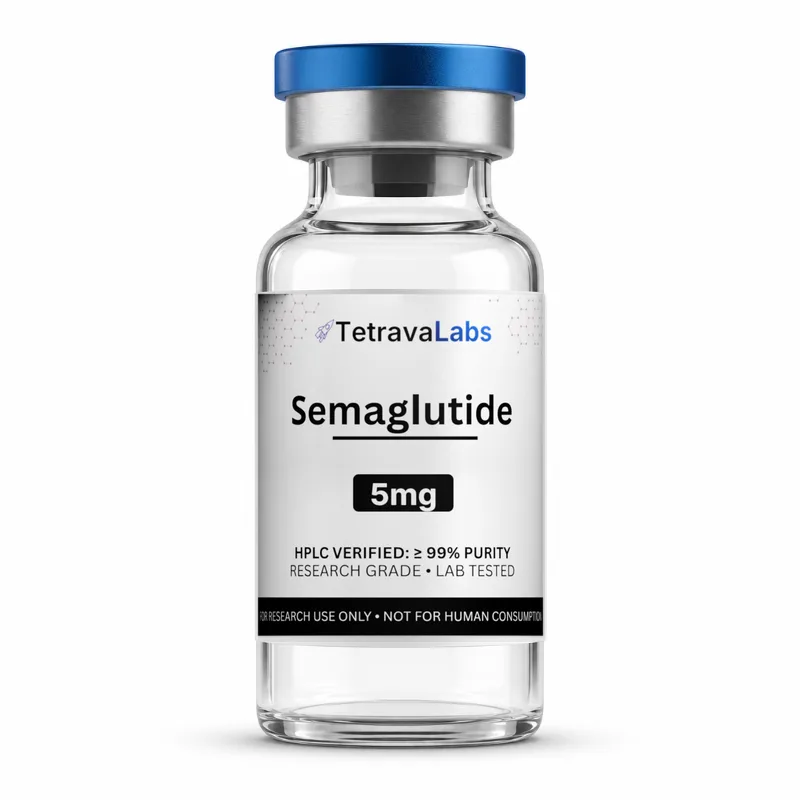
Semaglutide
From$45.00
5mg / 10mg · 1, 5 or 10 vials
As low as $36.00/vial
For laboratory research use only
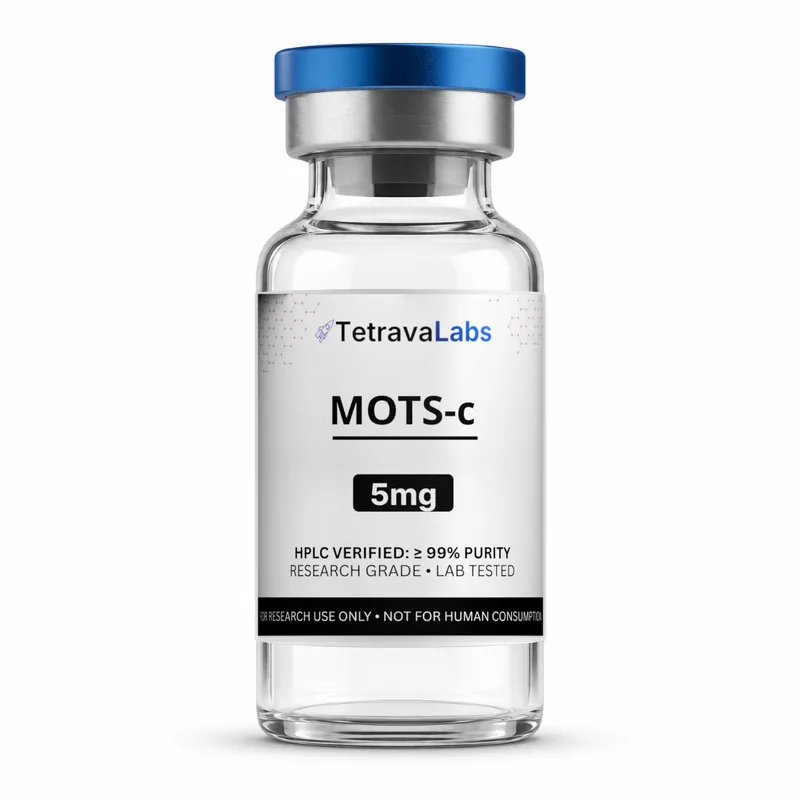
MOTS-c
From$50.00
5mg – 40mg · 1, 5 or 10 vials
As low as $40.00/vial
For laboratory research use only